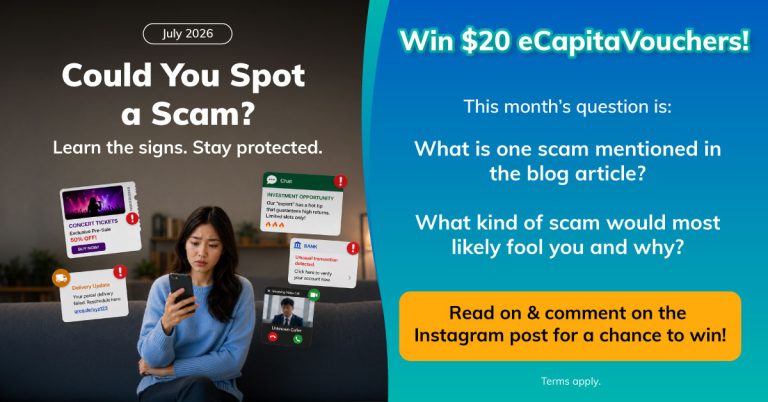
Think online scams in Singapore only affect older adults or people who aren’t tech-savvy? Think again.
Today’s scammers use increasingly sophisticated tactics, including artificial intelligence (AI), social engineering, deepfake technology, and personalised data to target victims. As a result, people of all ages can fall prey to scams, regardless of how digitally savvy they are.
In fact, many scam victims in Singapore are working adults who actively use digital platforms and manage their finances online. Although scam cases fell by 24.8% in 2025 compared to the previous year, scammers still stole more than S$900 million from victims. Adults aged 30 to 49 accounted for the largest share of scam victims, proving that digital literacy alone is no guarantee against fraud.
Moreover, online scams in Singapore continue to evolve rapidly. From AI-generated video calls featuring government officials to concert ticket fraud, scammers are finding new ways to appear legitimate, create urgency, and exploit trust.
That’s why staying informed is more important than ever. In this guide, we’ll break down the most common online scams in Singapore today, how they work, the warning signs to look out for, and practical steps you can take to protect yourself and your loved ones.
Why Are Online Scams in Singapore Increasing?
Scammers have evolved alongside technology. Many scams no longer rely on obvious phishing emails or suspicious phone calls. Instead, criminals now use:
- AI-generated images, voices, and videos
- Stolen personal data from previous breaches
- Fake business websites and social media profiles
- Encrypted messaging platforms such as WhatsApp and Telegram
- Sophisticated impersonation techniques
The result is a new generation of scams that feel increasingly personalised and believable.
Rather than relying solely on technical tricks, scammers often exploit human psychology. Fear, urgency, trust, greed, curiosity, and even patriotism can all be used to manipulate victims into making quick decisions.
6 Common Online Scams in Singapore Right Now

1. Deepfake Scams
Artificial intelligence has given rise to one of the fastest-growing scam threats in Singapore: deepfake scams.
In May 2026, a victim lost at least S$4.9 million after scammers used AI-generated video technology to impersonate Prime Minister Lawrence Wong and other senior government officials during a fake Zoom meeting. The scammers convinced the victim to provide “urgent funding assistance” through a series of bank transfers.
How it starts
- WhatsApp messages from seemingly legitimate contacts
- Invitations to private Zoom or Teams meetings
- Emails appearing to come from government agencies or business leaders
Common platforms used
WhatsApp, Zoom, Microsoft Teams, Email
Psychological tactic used
Authority and trust: Victims are more likely to comply when they believe they are communicating with senior government officials, executives, or public figures.
Typical victim profile
- Business owners
- Senior executives
- Professionals handling financial decisions
Red flags
- Requests for confidential information
- Requests for urgent fund transfers
- Unusual communication channels
- Poor-quality email domains
- Excessive secrecy or confidentiality requirements
Prevention tips
- Verify requests through official channels
- Check email domains carefully
- Never transfer money solely based on a video call
- Be cautious even if a person appears authentic on screen
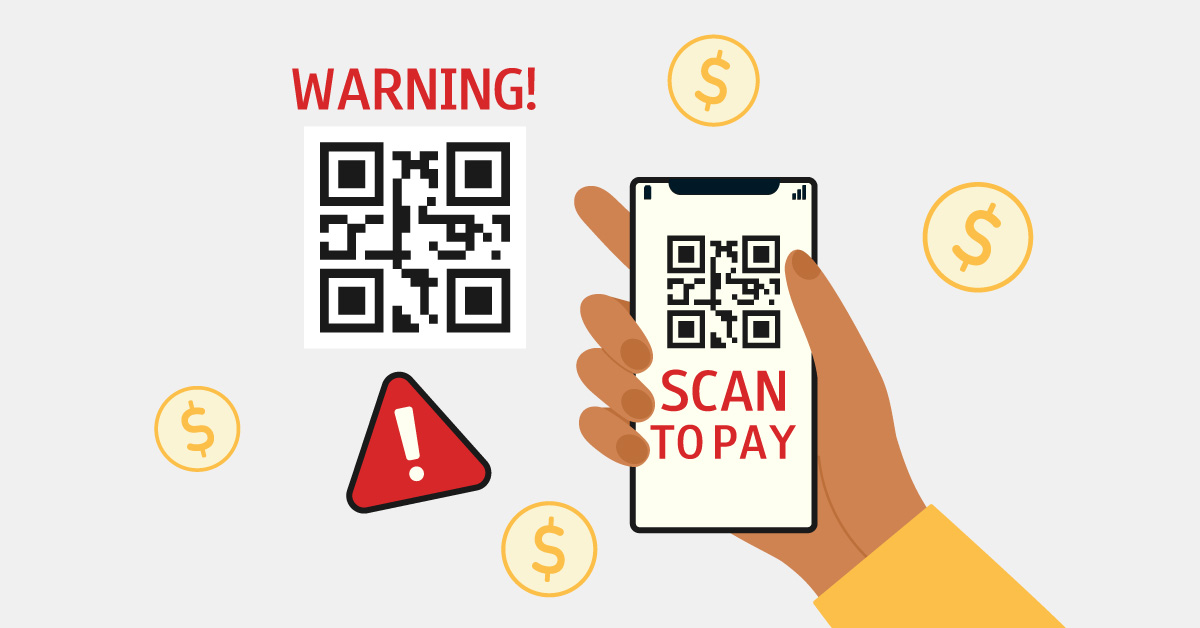
2. Payment Redirection Scams
Payment redirection scams trick victims into sending money to accounts controlled by scammers. By exploiting trust in familiar brands, suppliers, or payment providers, these scams can affect both businesses and individuals.
For example, scammers may impersonate legitimate vendors and request changes to payment details. As a result, payments intended for genuine vendors are diverted to fraudulent accounts instead. Since January 2026 alone, at least 66 reported cases have resulted in losses exceeding S$19 million.
However, businesses are not the only targets. Individuals can also fall victim to phishing links disguised as payment requests or fake QR codes that appear to belong to legitimate payment providers. Once scanned, victims may be redirected to fraudulent websites designed to steal banking credentials, card details, or one-time passwords (OTPs).
As cashless payments become increasingly common, it is important to verify payment instructions carefully before transferring money, making an online purchase, or scanning a QR code.
How it starts
- Fake invoices requesting updated bank details
- Emails impersonating suppliers or service providers
- Phishing links disguised as payment requests
- QR codes leading to fraudulent websites
Common platforms used
Email, messaging apps, fake websites, QR codes, online marketplaces
Psychological tactic used
Trust and urgency: Scammers exploit established relationships and familiar payment methods to lower victims’ guard, often pressuring them to complete transactions quickly.
Typical victim profile
- Finance personnel
- Procurement teams
- Business owners
- Online shoppers
- Individuals making digital payments
Red flags
- Unexpected changes to payment instructions
- Pressure to process payments quickly
- Request to bypass usual payment process
- Slight variations in email addresses or website URLs
- Requests to scan unfamiliar QR codes
Prevention tips
- Verify payment changes through an alternative communication channel
- When in doubt, contact the organisation directly using official contact details
- Implement dual approval processes
- Train employees regularly on scam awareness
- Check URLs carefully before entering sensitive information
- Avoid scanning QR codes from untrusted sources
- Enable transaction alerts on your banking apps
3. Investment Chat Group Scams
Investment scams remain one of the most damaging scam categories in Singapore, accounting for some of the highest losses reported each year. Many victims are lured into seemingly legitimate investment communities that promise exclusive opportunities, insider tips, or guaranteed returns. Investment scams were among the top scam categories by total losses in 2025.
How it starts
Victims are added to WhatsApp or Telegram groups where “investment experts” share stock tips, cryptocurrency opportunities, or trading strategies.
In some cases, scammers first approach victims through social media advertisements or dating platforms before inviting them to join a private investment community.
Common platforms used
WhatsApp, Telegram, Facebook, TikTok, Instagram, fake investment websites
Psychological tactic used
Fear of Missing Out (FOMO) and social proof: Scammers create the illusion that everyone in the group is making money. Fake testimonials, screenshots of profits, and success stories are used to encourage victims to invest larger amounts.
Typical victim profile
- Working professionals
- Individuals seeking passive income
- Pre-retirees looking to grow savings
- First-time investors
Red flags
- “Once-in-a-lifetime” investment opportunities
- Pressure to invest quickly
- Requests to transfer funds to personal accounts
- Unlicensed investment platforms
- Inability to withdraw profits
Prevention tips
- Verify whether the company is regulated by the Monetary Authority of Singapore
- Conduct independent research
- Never rely solely on testimonials or chat group recommendations
- Consult a licensed financial adviser before investing

4. Concert Ticket and E-Commerce Scams
Excitement around popular concerts, sporting events, and limited-edition products can create ideal opportunities for scammers. When tickets sell out within minutes, fans may turn to unofficial sellers in hopes of securing a last-minute deal.
As a result, scammers exploit this urgency by advertising fake tickets, impersonating genuine sellers, or requesting upfront payment before disappearing. Recent scams involving BTS’ upcoming Singapore concert saw at least 62 victims lose more than $68,000 in just 10 days. Many encountered fraudulent listings on platforms such as X, Instagram, and Carousell before being asked to pay via PayNow or PayNow QR codes.
Moreover, this is not a new trend. During Taylor Swift’s The Eras Tour in Singapore, more than 960 victims reportedly lost over $538,000 to ticket scams over a 10-week period.
Beyond concerts, similar tactics are commonly used in e-commerce scams involving electronics, luxury goods, collectibles, and other sought-after items sold through unofficial channels.
How it starts
- Listings on social media or online marketplaces
- Direct messages from purported ticket sellers
- “Friends of friends” claiming to have spare tickets
- Attractive deals for sold-out products
Common platforms used
Carousell, Instagram, X, Telegram, Messaging apps
Psychological tactic used
Scarcity and urgency: Scammers know that consumers are more likely to make rushed decisions when they fear missing out on a highly sought-after event or product.
Typical victim profile
- Young adults
- Concert-goers
- Online shoppers
- Collectors
Red flags
- Requests for full payment upfront
- Payment via direct bank transfer or PayNow to unknown individuals
- Sellers refusing to use official resale channels
- Additional “administrative fees” after payment
- Tickets being offered before official sale windows open
Prevention tips
- Buy only from authorised sellers
- Use secure payment methods
- Avoid direct bank transfers to unknown individuals
- Verify ticket authenticity whenever possible
- Be cautious of deals that seem too good to be true
5. Cryptocurrency Transfer Scams
Cryptocurrency scams continue to grow as digital assets become more mainstream. Unlike traditional bank transfers, cryptocurrency transactions are typically irreversible, making it much harder to recover funds once they have been transferred.
In 2025, losses involving cryptocurrency accounted for approximately one-fifth of all scam losses in Singapore.
How it starts
Victims are instructed to:
- Open cryptocurrency exchange accounts
- Purchase digital assets
- Transfer funds to a specified crypto wallet
The request may be disguised as:
- An investment opportunity
- A government investigation
- A romance scam
- A technical support issue
Common platforms used
WhatsApp, Telegram, cryptocurrency exchanges, social media, dating platforms
Psychological tactic used
Complexity and urgency: Scammers rely on victims’ unfamiliarity with cryptocurrency and pressure them to act before they have time to verify information.
Typical victim profile
- Investors
- Tech-savvy individuals
- Individuals seeking high returns
- Victims of impersonation scams
Red flags
- Requests to convert funds to cryptocurrency
- Promises of exceptionally high returns
- Pressure to act immediately
- Unverified investment platforms
- Requests for wallet recovery phrases
Prevention tips
- Never transfer cryptocurrency on someone else’s instructions
- Verify investment opportunities independently
- Enable security features on exchange accounts
- Be cautious of unsolicited investment advice

6. Job / Money Mule Scams
Many people assume money mules are criminals who knowingly assist scammers. However, some individuals are recruited without fully understanding the consequences.
A money mule is someone who allows their bank account, payment account, or digital wallet to be used to receive, transfer, or withdraw criminal proceeds.
How it starts
Victims are approached with offers such as:
- Easy work-from-home jobs
- Commission-based payment processing roles
- Requests to “help transfer funds”
The tasks may initially appear harmless.
Common platforms used
Telegram, WhatsApp, Instagram, job portals, social media
Psychological tactic used
Financial incentives: Scammers appeal to people seeking quick income by promising easy commissions for minimal effort.
Typical victim profile
- Students
- Young adults
- Job seekers
- Individuals facing financial difficulties
Red flags
- Requests to use your personal bank account
- Jobs involving money transfers for strangers
- High commissions for simple administrative tasks
- Employers who avoid formal interviews
Prevention tips
- Never allow others to use your bank account
- Be wary of jobs involving fund transfers
- Verify employers independently
- Understand that acting as a money mule may result in criminal liability
- Remember: Claiming ignorance may not protect you from legal consequences if your account is used for criminal activities.
Frequently Asked Questions
I clicked a scam link. What should I do?
If you clicked a scam link, disconnect from the site immediately. Change any affected passwords, enable two-factor authentication and monitor your accounts for suspicious activity. If banking credentials were entered, contact your bank immediately and report the incident.
Verify your concerns by calling the 1800-722-6688 hotline, managed by the National Crime Prevention Council (weekdays, 9am – 5pm).
What should I do if I transferred money to a scammer?
Contact your bank as soon as possible. In some cases, banks may be able to freeze or trace funds if action is taken quickly. You should also make a police report and retain all evidence relating to the transaction.
Can scam victims recover their money?
Recovery depends on factors such as the scam type, speed of reporting, and whether the funds can still be traced. Unfortunately, recovery is not always possible, especially for cryptocurrency transfers and overseas scam syndicates.
How do I report a scam in Singapore?
You can contact the police, submit information through ScamShield, and notify your bank immediately. Reporting promptly may help prevent further losses and protect others from becoming victims.
For e-commerce scams, report the incident to the online marketplace platform and file a complaint with the Consumers Association of Singapore (CASE).
If you have our Personal Cyber Insurance, you can file a claim with the necessary supporting documents.
What is the most common scam in Singapore?
The most frequently reported scam categories have included e-commerce scams, phishing scams, and job scams. However, newer threats such as deepfake scams and investment chat group scams are growing rapidly.
How can I tell if a message is a scam?
Common warning signs include urgent requests, promises of exceptionally high returns, requests for personal information, suspicious links, unexpected payment instructions, and attempts to move conversations to private messaging platforms.
Stay Alert, Stay Protected
Scammers are constantly adapting their tactics, and no demographic is completely immune. Whether it is a convincing deepfake video, a fake job opportunity, or a seemingly legitimate investment group, the most effective defense remains the same: slow down, verify independently, and never let urgency dictate your decisions.
From simple cybersecurity measures such as switching off your location services to being mindful of befriending strangers online, you can do your part to keep you and your household safer from online threats.
Stay protected online with Personal Cyber Insurance from Tiq by Etiqa Insurance. Get coverage of up to S$25,000 for you and your household members against cybersecurity breaches. Terms apply.
[End]
This policy is underwritten by Etiqa Insurance Pte. Ltd. (Company Reg. No. 201331905K).
This article was updated on 1 July 2026.
Tiq by Etiqa Insurance Pte. Ltd.
A digital insurance channel that embraces changes to provide simple and convenient protection, Tiq’s mission is to make insurance transparent and accessible, inspiring you today to be prepared for life’s surprises and inevitabilities, while empowering you to “Live Unlimited” and take control of your tomorrow.
With a shared vision to change the paradigm of insurance and reshape customer experience, Etiqa created the strong foundation for Tiq. Because life never stops changing, Etiqa never stops progressing. A licensed life and general insurance company registered in the Republic of Singapore and regulated by the Monetary Authority of Singapore, Etiqa is governed by the Insurance Act and has been providing insurance solutions since 1961. It is 69% owned by Maybank, Southeast Asia’s fourth largest banking group, with more than 22 million customers in 20 countries; and 31% owned by Ageas, an international insurance group with 33 million customers across 16 countries.
Discover the full range of Tiq online insurance plans here.