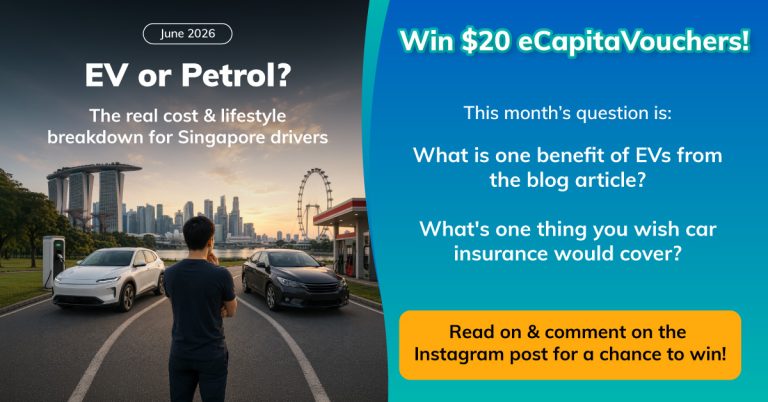
Electric vehicles (EVs) are no longer a futuristic concept in Singapore. They are quickly becoming part of everyday life. In fact, EVs accounted for about 45% of all new car registrations in Singapore in 2025, a sharp increase from previous years.
Government policies are also accelerating the transition. From 2030, all new car registrations in Singapore must be cleaner-energy models such as electric or hybrid vehicles, while new diesel car registrations have already stopped from 2025.
Still, the big question remains: does switching to an EV actually make sense for Singaporeans today?
The answer depends heavily on your lifestyle, driving habits, housing type, and long-term priorities. While EVs promise lower running costs and environmental benefits, they also come with practical considerations such as charging accessibility, insurance costs, and evolving technology.
In this guide, we break down the real-world pros and cons of EVs versus petrol cars in Singapore, so you can decide which option suits your lifestyle better.
EV vs Petrol Cars: What’s the Difference?
At the most basic level, EVs run on electricity stored in rechargeable batteries, while traditional internal combustion engine (ICE) vehicles run on petrol or diesel.
However, the ownership experience differs far beyond the fuel source.
EVs generally offer:
- Lower running costs
- Quieter driving experiences
- Instant torque and smoother acceleration
- Lower carbon emissions
Petrol cars, on the other hand, still offer:
- Faster refuelling convenience
- Wider servicing ecosystem
- More familiar ownership experience
- Less dependence on charging infrastructure
For many Singaporeans, the decision is no longer simply about sustainability. Practicality and cost efficiency are key factors to consider as well.
Why Are More Singaporeans Switching to EVs?
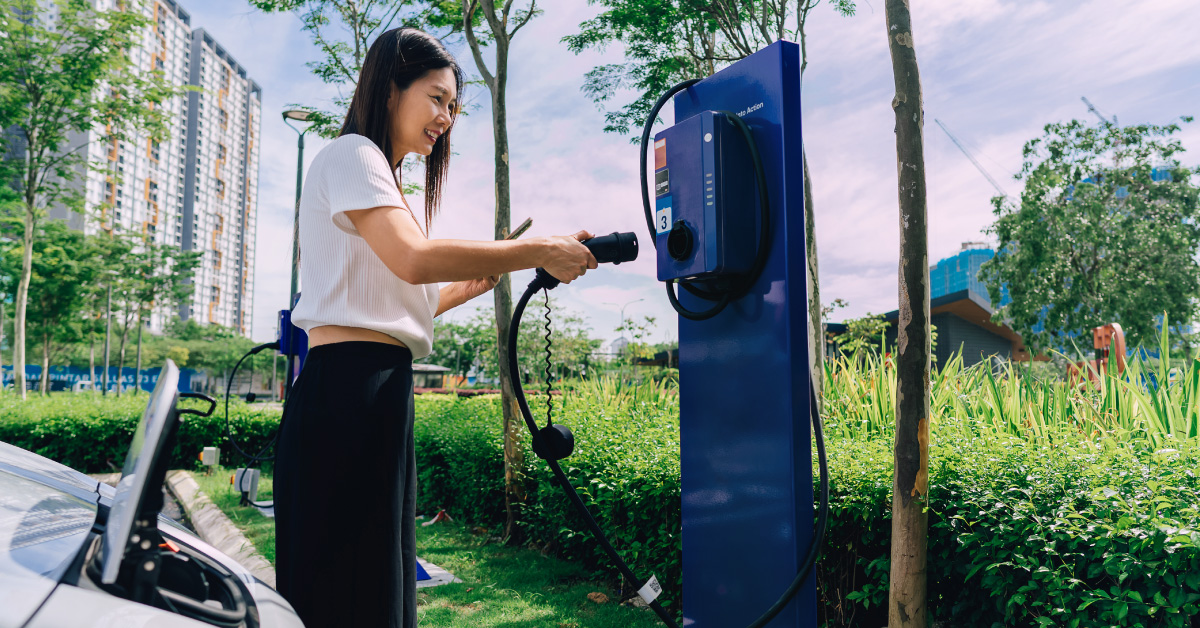
Singapore’s EV adoption has accelerated rapidly in recent years due to a combination of government incentives, improved charging infrastructure, and wider model availability.
Several factors are driving interest:
1. Government Incentives and Rebates
Singapore encourages the shift towards cleaner transport through several government schemes that help reduce the upfront cost of EV ownership. The two key incentives are:
- EV Early Adoption Incentive (EEAI)
The EEAI is a time-limited scheme introduced to accelerate EV adoption in Singapore. Under this programme, buyers of eligible fully electric cars receive a rebate based on a percentage of the vehicle’s Open Market Value (OMV), subject to a cap. This rebate is applied at the point of registration and directly reduces the amount payable for Certificate of Entitlement (COE) and other vehicle costs.In practical terms, the EEAI helps to significantly lower the upfront barrier to entry, making EVs more competitive against traditional petrol vehicles in Singapore’s high-cost car market. - Vehicular Emissions Scheme (VES)
The VES is a separate incentive that rewards or penalises vehicles based on their emissions profile.Fully electric vehicles fall into the cleanest emissions band, which qualifies them for the highest rebate category under the scheme. This rebate is also applied at the point of vehicle registration and can be combined with other available incentives. The VES is designed not only to encourage EV adoption, but also to nudge buyers away from high-emission petrol and diesel vehicles, supporting Singapore’s broader goal of cleaner air and reduced carbon emissions.
When applied together, these incentives can substantially reduce the upfront cost of an EV in Singapore, especially when combined with other factors like COE fluctuations and dealer promotions. This makes EV ownership more financially accessible than many buyers initially expect, particularly in the mid-range vehicle segment.
2. Expanding Charging Infrastructure
Singapore aims to deploy 60,000 EV charging points by 2030. Every HDB town is also planned to be EV-ready. This has reduced one of the biggest concerns among potential EV buyers: charging accessibility.
3. Lower Running Costs
One of the biggest advantages of owning an EV in Singapore is its lower long-term running costs. EVs are generally cheaper to power and maintain, making them an increasingly attractive option for daily drivers. Charging an EV often costs less than refuelling, especially for those with regular commuting needs.
EVs also have fewer moving parts and do not require maintenance for components such as engine oil, spark plugs, or timing belts. As a result, servicing needs are typically lower over time. Studies and local estimates suggest that EVs can cost around 30% to 50% less to maintain over their lifespan, helping drivers save both time and money in the long run.
EV vs Petrol Car Costs
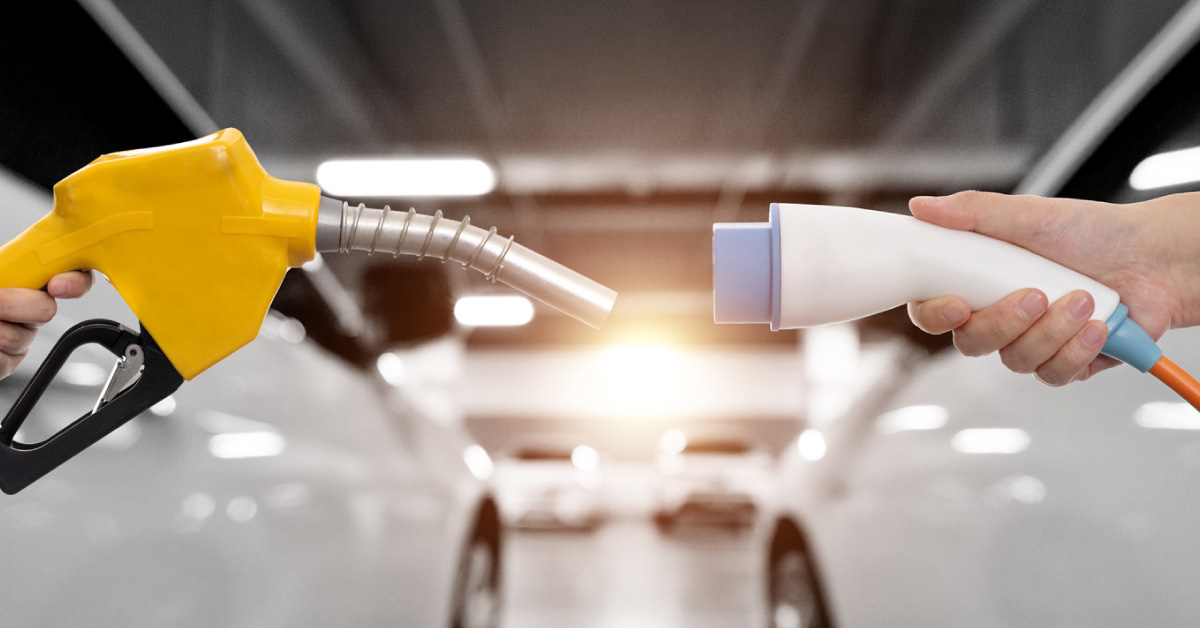
When comparing EVs and petrol cars, cost is often one of the biggest deciding factors, and it goes far beyond just the price tag. EVs typically come with a higher upfront purchase price, although this gap has started to narrow with the rise of more affordable Chinese EV brands entering the market. Today, buyers have access to a wider range of lower-cost EV options, making electric vehicles more attainable than before.
However, ownership costs should also factor in Singapore’s COE prices, which apply regardless of vehicle type. In some cases, buyers may feel that paying a high COE for a newer or less proven EV brand carries more uncertainty compared to established petrol car brands with stronger resale track records.
Depreciation and resale value are also important considerations. Petrol cars generally have a longer and more predictable resale history in the local market, while EV resale values remain harder to gauge due to evolving battery technology, changing government policies, and concerns around battery lifespan. At the same time, increasing EV adoption and growing market competition could gradually improve confidence in the second-hand EV market over time.
Ultimately, while EVs may offer savings on fuel and maintenance in the long run, buyers should weigh the total cost of ownership, including purchase price, COE, depreciation, resale value, and long-term reliability, before deciding which option best suits their needs.
Condo Owner vs HDB Resident: Does Your Housing Type Matter?
Yes. Significantly.
Your housing type can heavily affect how convenient EV ownership feels. Unlike petrol cars, EVs require regular access to charging infrastructure, so where you live and spend most of your time matters.
Condo and Landed Property Owners
Private property owners generally enjoy easier access to EV charging solutions.
Many condominiums offer:
- Dedicated EV charging lots
- Shared charging infrastructure
- Overnight charging convenience
Landed property owners have even greater flexibility because they can install private chargers directly at home. This allows drivers to charge their vehicles overnight, much like charging a mobile phone.
For condo and landed homeowners, EV ownership often feels far more seamless and convenient.
HDB Residents
For HDB residents, the situation has improved significantly, although accessibility can still vary depending on the estate.
Singapore has rapidly expanded public EV charging infrastructure across HDB carparks, shopping malls, and office buildings. This means some drivers may conveniently charge their vehicles:
- While grocery shopping
- During family outings at malls
- While working in office buildings
- During daily errands
For office workers with workplace charging access, EV ownership may actually feel more manageable than expected.
However, some HDB residents may still encounter:
- Occupied charging lots
- Waiting times during peak hours
- Limited fast chargers nearby
This becomes especially important for drivers who rely heavily on their cars daily or travel long distances frequently.
If your estate lacks convenient charging access near your home, workplace, or regular lifestyle destinations, owning an EV may currently require more planning compared to a petrol vehicle.
Daily Commuter vs Weekend Driver: Who Benefits More?
Your driving frequency also affects whether an EV makes financial sense.
Daily Commuters
EVs tend to benefit drivers with:
- Long daily commutes
- Frequent road usage
- Regular road trips (e.g., to Malaysia, etc.)
- Ride-hailing or PHV usage
This is because fuel savings accumulate more noticeably over time. Drivers who clock high mileage may recover the higher upfront EV costs faster through lower charging costs and reduced maintenance expenses.
Weekend Drivers
For occasional drivers, the financial benefits become less obvious.
If you primarily use your car for:
- Weekend errands
- Family outings
- Short-distance trips
…the savings from switching to an EV may take much longer to offset the initial purchase cost. In some cases, a petrol or hybrid vehicle may still feel more practical.
EV Charging vs Petrol Refuelling: Which Is More Convenient?
Petrol Cars
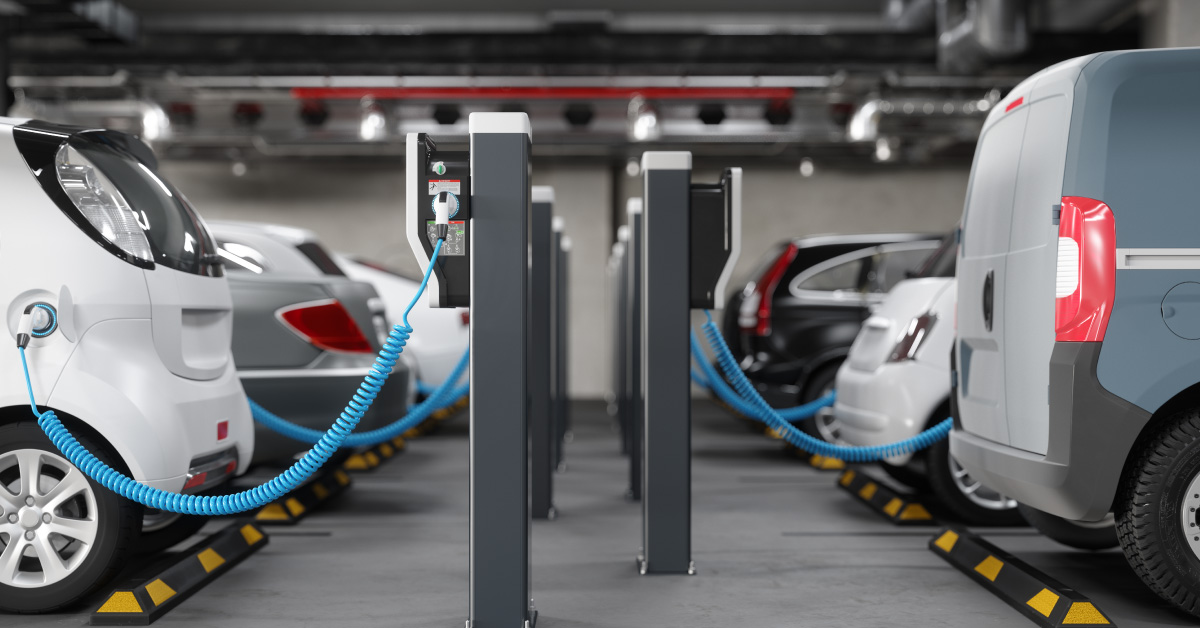
Petrol vehicles still dominate when it comes to convenience. Refuelling only takes a few minutes, petrol stations are widely available across most areas, and long-distance travel tends to feel more straightforward without the need to plan charging stops or wait times.
EVs
EV charging requires more planning. Depending on charger type, slow charging may take several hours and fast charging may take 30 to 60 minutes.
Many EV owners adapt by charging overnight or while parked during work hours. However, drivers without easy charging access may find this less convenient.
This is especially relevant during peak charging periods, long holiday drives, and busy HDB estates.
Are EVs Really Cheaper to Maintain?
In many cases, yes.
EVs generally have:
- Fewer mechanical components
- No engine oil changes
- Less brake wear due to regenerative braking
These can reduce long-term servicing costs. However, EVs introduce new considerations too.
Battery Health and Singapore’s Climate
One common concern is battery degradation in Singapore’s hot and humid climate.
Modern EV batteries are designed with thermal management systems to minimise overheating risks. Most manufacturers also provide lengthy battery warranties, often up to 8 to 10 years.
Still, battery replacement costs remain expensive if issues arise outside warranty periods.
Technology is also evolving rapidly, which creates uncertainty around:
- Future resale value
- Battery replacement pricing
- Long-term servicing support
Limited Workshop Ecosystem
While the servicing ecosystem is growing, EV-specialised workshops remain less common than traditional petrol workshops. This may affect repair turnaround times, parts availability, and repair costs.
Rapid Technology Changes
EV technology evolves quickly. Features, battery range, and charging speeds continue to improve yearly. This may affect resale value for older EV models.
Regulatory Changes
Singapore’s EV policies continue to evolve as the country moves toward cleaner-energy transport goals.
While current incentives are attractive, future policy adjustments could influence things like vehicle taxes, rebates, and charging regulations.
EV Insurance vs Traditional Car Insurance: Is There a Difference?
Yes.
EV insurance premiums can sometimes be higher due to:
- Higher vehicle repair costs
- Expensive battery systems
- Limited specialised workshops
While you may not need a separate insurance policy specifically for EVs, it is important to ensure your car insurance provides adequate coverage for key areas such as battery protection, authorised repairs, roadside assistance, and accidental damage. Choosing the right coverage can help provide greater peace of mind and better financial protection throughout your EV ownership journey.
ESG and Sustainability: Are EVs Better for the Environment?
Generally, yes, though the conversation is more nuanced than many people realise.
According to LTA, EVs in Singapore produce roughly half the carbon emissions of comparable ICE vehicles because electricity generation here relies mainly on natural gas.
However, environmental discussions around EVs also include:
- Battery production emissions
- Battery disposal concerns
- Electricity source sustainability
Even so, EVs remain a key part of Singapore’s broader sustainability and Green Plan ambitions.
Should You Switch to an EV? A Simple Decision Framework
| An EV may suit you if: | A petrol or hybrid car may still suit you better if: |
| ✅ You drive frequently
✅ You have convenient charging access ✅ You prioritise lower running costs ✅ You plan to keep your car long-term ✅ You value sustainability goals |
✅ You drive occasionally
✅ You prioritise convenience ✅ You lack easy charging access ✅ You prefer proven long-term ownership familiarity |
Singapore is clearly moving toward an electric future.
Charging infrastructure is expanding rapidly, government incentives remain attractive, and EV ownership is becoming increasingly mainstream.
Still, switching to an EV is not purely a financial or environmental decision. Lifestyle compatibility matters just as much.
For some Singaporeans, EVs already make perfect sense. For others, especially drivers without convenient charging access, petrol or hybrid cars may still feel more practical today.
Ultimately, the best car is not simply the most environmentally friendly one. It is the one that fits your daily life, budget, and long-term needs most realistically.
[End]
Information is accurate as at 2 June 2026. This policy is underwritten by Etiqa Insurance Pte. Ltd. (Company Reg. No. 201331905K). Protected up to specified limits by SDIC.
Tiq by Etiqa Insurance Pte. Ltd.
A digital insurance channel that embraces changes to provide simple and convenient protection, Tiq’s mission is to make insurance transparent and accessible, inspiring you today to be prepared for life’s surprises and inevitabilities, while empowering you to “Live Unlimited” and take control of your tomorrow.
With a shared vision to change the paradigm of insurance and reshape customer experience, Etiqa created the strong foundation for Tiq. Because life never stops changing, Etiqa never stops progressing. A licensed life and general insurance company registered in the Republic of Singapore and regulated by the Monetary Authority of Singapore, Etiqa is governed by the Insurance Act and has been providing insurance solutions since 1961. It is 69% owned by Maybank, Southeast Asia’s fourth largest banking group, with more than 22 million customers in 20 countries; and 31% owned by Ageas, an international insurance group with 33 million customers across 16 countries.
Discover the full range of Tiq online insurance plans here.