
Planning a holiday today involves much more than packing your suitcase. Whether you’re heading to Bangkok for a long weekend, embarking on a self-drive adventure in Australia, or exploring the food scene in China, a smooth trip often comes down to the details many travellers overlook. From mobile connectivity and payment methods to transport planning and local travel requirements, a little preparation can go a long way. Before your next flight, run through these seven practical questions to help avoid unnecessary surprises after you land.
Your Pre-Flight Checklist at a Glance:
- Mobile Connectivity
- Payment Methods
- Essential Travel Apps
- Baggage Delays
- Travel Insurance
- Medical Emergencies
- Local Rules & Travel Tips
1. Have You Sorted Your Mobile Connectivity?

The first thing many travellers do after landing is reach for their phone. Whether you’re booking a ride, finding your hotel, translating a menu, or contacting family back home, internet access quickly becomes essential.
Which Option Is Right for You?
eSIM
- Convenient and easy to activate before departure
- No need to swap physical SIM cards
- Allows you to use mobile data almost immediately upon arrival
- Suitable for most leisure travellers
Roaming
- Allows you to continue using your existing mobile plan overseas
- No additional setup required before your trip
- Useful for short trips or travellers who prioritise convenience
- Costs can add up during longer stays
Local SIM Card
- Often more cost-effective for extended trips
- Requires purchase and activation after arrival
- Suitable for travellers staying in a single destination for a longer period
Portable Wi-Fi
- Ideal for families or groups travelling together
- Supports multiple devices simultaneously
- Helpful when several travellers need internet access throughout the day
Common Practices Worth Adopting
Before you leave Singapore:
- Download offline maps in case you temporarily lose internet access
- Save hotel confirmations, boarding passes, and key travel documents to your device
- Keep digital copies of your travel insurance documents
- Share your itinerary with a trusted family member or friend, especially if travelling solo
- Bring a power bank that complies with airline requirements. If you’re travelling to China, ensure your power bank carries a valid China Compulsory Certification (CCC)
| ✈️ Travel Hack Activate your eSIM before take-off so you’re connected immediately upon landing. With Travel Pass, you’ll receive a complimentary eSIM as part of our travel benefits! |
2. How Will You Pay Overseas?

Once you’ve sorted your mobile connectivity, the next question is how you’ll pay for things when you arrive. Payment habits can vary across destinations, and assuming your credit card works everywhere can quickly turn into an inconvenience.
China – Set Up WeChat Pay and Alipay
China is largely cashless, with WeChat and Alipay widely used for everything from restaurants and taxis to convenience stores and attractions. While major hotels and international brands may accept credit cards, many smaller businesses still rely primarily on QR code payments.
Before you travel, download and verify WeChat Pay or Alipay, and link an eligible international credit card. It’s also worth carrying a small amount of RMB as a backup, particularly when visiting local markets or smaller cities.
Japan – Don’t Underestimate the Importance of Cash
Although Japan has become increasingly card-friendly, cash is still commonly used in many smaller restaurants, family-run shops, temples, shrines, rural attractions, and older establishments. Carrying sufficient Japanese Yen can save you from awkward situations, especially when travelling beyond major cities.
| 📌 Good to Know
Many ramen shops and local eateries use ticket vending machines that accept only cash. Keep a few ¥1,000 notes and coins handy for smaller purchases. |
South Korea – Cards Are Widely Accepted, but Keep a Backup Payment Option
South Korea is one of Asia’s most card-friendly destinations, with credit and debit cards accepted at most shops, restaurants, cafés, attractions, and hotels. That said, it’s still worth carrying a small amount of Korean Won, especially when visiting traditional markets, smaller eateries, or independent businesses.
| 📌 Good to Know
Some self-service kiosks at cafés, fast-food chains, and train stations may only accept Korean-issued cards or local payment methods. If your card doesn’t work, try paying at the staffed counter instead. |
Europe – Card-Friendly Doesn’t Always Mean Cashless
Payment habits vary across Europe. While countries such as Sweden, Denmark, and Norway are largely cashless, some businesses in Germany, parts of Italy, and smaller towns may still prefer cash, particularly bakeries, family-run cafés, local markets, and public toilets. Carrying a small amount of local currency gives you added flexibility without relying entirely on cash.
| 📌 Good to Know
When paying by card, always choose to pay in the local currency instead of Singapore dollars. This helps you avoid Dynamic Currency Conversion (DCC), which often comes with less favourable exchange rates. |
3. Have You Downloaded These Essential Travel Apps Yet?
The right apps can make a noticeable difference to your travel experience. Whether you’re navigating unfamiliar streets, hailing a ride, translating conversations, or paying for everyday purchases, a few downloads can save time and minimise unnecessary hassle.
Essential Apps by Destination
| Destination | Navigation | Transport | Translation | Local Essentials |
| Australia | Google Maps / Waze | Uber, 13cabs | Google Translate | Fuel Map Australia, NSW/VIC E-Toll (where applicable) |
| China | Baidu Maps / Amap | DiDi | Baidu Translate / Microsoft Translator | Alipay, WeChat Pay, Meituan, VPN (if needed) |
| Japan | Google Maps | GO Taxi, SmartEX | Google Translate | Suica (digital) |
| South Korea | Naver Map, KakaoMap | Kakao T | Papago | T-Money, WOWPASS / NAMANE Card |
| Thailand | Google Maps | Grab, Gojek | Google Translate | PromptPay (where applicable), GrabFood |
| Taiwan | Google Maps | Uber | Google Translate | EasyCard, FoodPanda, Uber Eats |
| Europe | Google Maps | Omio, Rail Planner, Bolt | Google Translate | GetYourGuide |
While many apps perform similar functions, the most popular options often differ by country. Using local apps can make it easier to get around, communicate, pay for purchases, or even order food like a local.
One destination worth paying extra attention to is mainland China. Popular Google services such as Google Maps, Gmail, Google Search, and YouTube are generally inaccessible without a VPN. If you rely on these services, download and test a reputable VPN before departure, as installing one after arrival can be challenging.
| ✈️ Travel Hack
Download and set up essential apps before leaving Singapore. Some require SMS verification, account registration, or card linking that can be more difficult to complete overseas. |
Plan Your Arrival Before You Land
A smooth trip often starts long before you clear immigration. Spending a few minutes planning how you’ll get from the airport to your accommodation can help you avoid confusion, long queues, or expensive last-minute transport options.
Research the available airport trains, buses, taxis, and ride-hailing services in advance, especially if you’re arriving late at night. Not all airports operate around the clock. Before you fly, check:
- When the last train or bus departs
- Whether ride-hailing services are readily available
- If your hotel reception operates 24 hours
- Whether you’ll need to arrange a late check-in
|
📌 Good to Know Using an eSIM overseas? Keep your Singapore SIM switched on but turn off data roaming for that line. You’ll still receive Tiq Travel Insurance SMS updates, such as flight reminders and baggage belt information, without incurring roaming data charges. |
Public Transport Cards
Many destinations use rechargeable transport cards that can also be used for convenience stores, vending machines, and selected attractions. Some can even be added to your Apple Wallet or Google Wallet before your trip.
Examples include:
- Japan: Suica, Pasmo, ICOCA
- South Korea: T-money
- Hong Kong: Octopus
- London: Oyster
Check Immigration Requirements Before Departure
Many destinations now require travellers to complete digital arrival forms or travel declarations before they fly. Missing this step could result in processing delays at immigration or complications during your journey.
Before travelling, check whether your destination requires an online declaration or digital arrival card. Examples include:
- Thailand: Thailand Digital Arrival Card
- Japan: Visit Japan Web
- South Korea: Korea e-Arrival
- Australia: AustralianETA app
4. Could You Cope Without Your Luggage for a Day?
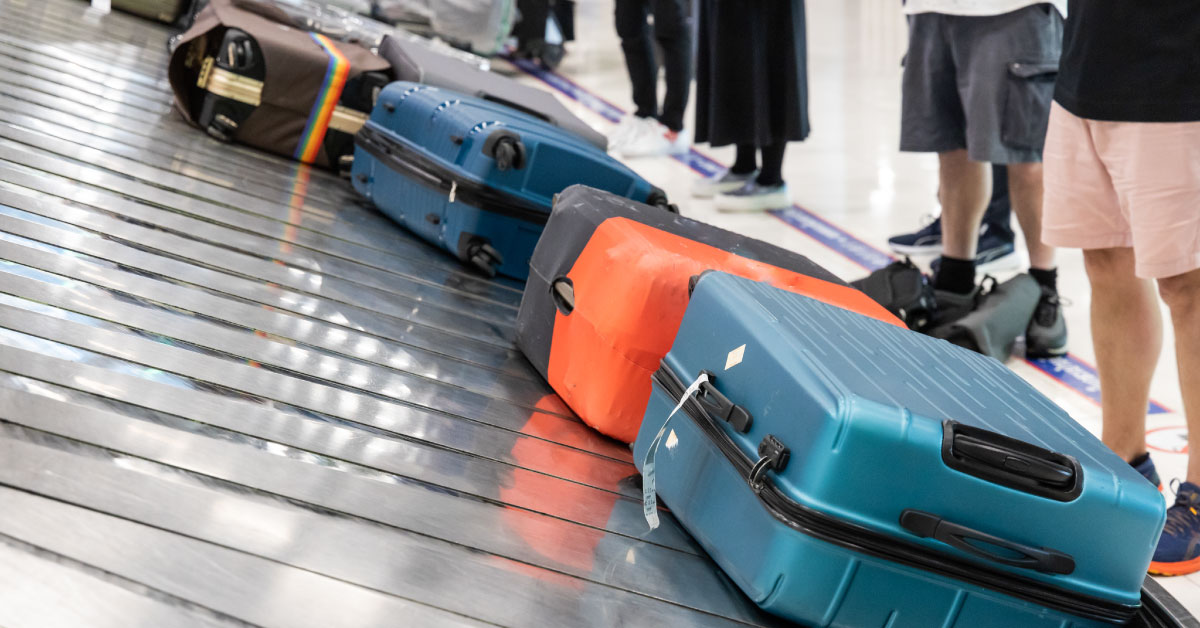
Even with careful planning, some things remain outside your control. Baggage delays are one of them, and they’re more common than many travellers realise. According to SITA’s 2026 Baggage IT Insights report found that 24 million bags were mishandled worldwide in 2025, with around 70% of cases involving delayed baggage.
A delayed suitcase can quickly disrupt your plans, especially if it contains clothing, medication, toiletries, or other daily essentials. Having to replace these items overseas can also lead to unexpected expenses.
To minimise inconvenience, consider packing a few essentials in your carry-on luggage, including:
- A change of clothes
- Essential toiletries
- Medication
- Phone charger and charging cable
- Travel documents
- Valuables or electronics
|
✈️ Travel Hack |
5. Have You Sorted Your Travel Insurance?
Travel insurance is often one of the last things people purchase before a trip, but it can make a significant difference when plans don’t go as expected. From medical emergencies and flight disruptions to lost baggage and trip cancellations, unexpected situations can quickly become costly without the right protection.
A common misconception is that travel insurance isn’t necessary for short holidays, or that coverage provided by a credit card or airline is sufficient. In reality, these benefits may come with limitations or exclusions, making it important to understand exactly what’s covered before you travel.
| ⭐ Bonus Travel Perks
Make your travel budget go even further with up to 55% loyalty discount on Tiq Travel Insurance. With Travel Pass, eligible customers can also enjoy: · No Claims Cashback – Platinum tier customers can receive 5% cashback when no claims are made during their trip · Free Local Personal Accident (PA) Coverage – Gold and Platinum members receive complimentary coverage for staycations and visits to local attractions in Singapore |
6. Are You Prepared for Medical Emergencies?

Most trips go exactly as planned. But when they don’t, knowing where to get help can make all the difference. Medical expenses are often only one part of the picture. Depending on the situation, you may also need to extend your accommodation, rearrange flights, pay for additional transport, or have a loved one travel over to support you.
Before your trip, take a few minutes to familiarise yourself with the medical facilities near your accommodation. Knowing where to seek help and how far away it is can save valuable time in an emergency. Many destinations also have international clinics or hospitals that cater to foreign visitors and offer English-speaking services.
| Destination | Where to Seek Medical Help | Emergency Number |
| Australia | Public hospital Emergency Departments (EDs), GP clinics, Urgent Care Clinics | 000 |
| Japan | International hospitals, English-speaking clinics, emergency hospitals (救急病院) | 119 (ambulance & fire) |
| South Korea | International clinics at major hospitals, emergency medical centres | 119 (ambulance & fire) |
| Thailand | Private international hospitals (e.g., Bangkok Hospital, Bumrungrad), local emergency departments | 1669 (medical emergency) |
| Taiwan | Major medical centres and emergency departments, many with English-speaking services | 119 (ambulance & fire) |
| Europe | Public hospitals and local emergency departments | 112 (across most European countries) |
| ✈️ Travel Hack
Save the address and contact number of the nearest hospital or international clinic before exploring a new city. If you’re covered with Tiq Travel Insurance, save our 24-hour Emergency Assistance hotline (+65 6415 8694) in your phone before you travel, so help is always within reach if you need medical or travel assistance overseas. |
7. Do You Know the Local Rules Where You’re Going?

Every destination has its own customs, everyday habits, and travel quirks. Spending just a few minutes understanding them before you travel can help you blend in more easily, avoid unnecessary confusion, and make the most of your trip.
Here are a few examples worth knowing:
China – Make the Most of Local Apps
Apps like Meituan are used for much more than food delivery. You can also order groceries, pharmacy items, daily necessities, and even flowers, often with surprisingly fast delivery.
Many Singaporeans also take the opportunity to shop on Taobao before or during their trip, arranging for purchases to be delivered directly to their hotel. If you plan to do the same, check with your accommodation beforehand to ensure they accept parcels on behalf of guests, and avoid ordering more than you can reasonably bring home.
Japan – Follow Local Etiquette
Japanese culture places great emphasis on consideration for others. Keep conversations quiet on public transport, queue patiently, and dispose of your rubbish responsibly, as public bins can be surprisingly scarce. One exception? When it comes to noodles, slurping is perfectly acceptable and often seen as a sign that you’re enjoying your meal.
Planning a trip to Japan soon? Here’s a hidden gem you might not know about.
Europe – Validate Your Train Tickets
In several European countries, purchasing a train ticket isn’t always enough. Some rail operators require passengers to validate their ticket before boarding, and failing to do so may result in a fine, even if you’ve already paid for your journey.
Some Destinations Require Vaccinations
If you’re travelling to destinations such as Zimbabwe or Tanzania, you may need recommended or mandatory vaccinations, such as Yellow Fever, depending on your travel history and transit route. Always check the latest health and entry requirements before you fly.
Travel Like a Local
Simple customs can differ from one destination to another. Whether it’s tipping practices or using local payment methods, understanding these small cultural differences can make your trip smoother and more enjoyable.
| ⭐ Bonus Travel Perks
Before you fly, check out the exclusive partner perks available through Travel Pass. You could enjoy savings on travel essentials, experiences, and more throughout your trip. |
Ready for Take-off?
Travel surprises aren’t always bad, but the avoidable ones usually are. Taking a little time to check the essentials before you leave can help you spend less time solving problems and more time making memories.
Frequently Asked Questions
Do I need a VPN when travelling to China?
If you rely on Google services such as Google Search, Gmail, Google Maps, or YouTube, yes. These services may not be accessible in mainland China, so it’s best to install and test a reputable VPN before you leave Singapore, as downloading one after arrival can be difficult.
What should I pack in my carry-on?
Pack a change of clothes, essential toiletries, medication, travel documents, valuables, chargers, and any other items you’ll need during your first 24 hours. This helps minimise disruption if your checked baggage is delayed or arrives on a later flight.
Do I need travel insurance for short trips?
Travel insurance is worth considering even for short trips. Medical emergencies, flight delays, baggage delays, and trip cancellations can happen regardless of how long you’re travelling, and the resulting costs can quickly add up.
Should I exchange cash before travelling overseas?
Yes, it’s a good idea to carry some local currency, even if your destination is largely cashless. Small businesses, public transport, local markets, or unexpected situations may still require cash, so having a backup can be helpful.
What is Travel Pass?
Travel Pass is the first-of-its-kind* travel insurance rewards experience in Singapore from Tiq by Etiqa. Customers can unlock exclusive travel perks, partner rewards, and tier benefits through eligible Tiq Travel Insurance purchases.
[End]
Information is accurate as at 5 August 2026.
*This comparison does not include information on all similar products. Etiqa Insurance Pte. Ltd. does not guarantee that all aspects of the products have been illustrated. The comparison provides a summary of benefits for general comparison purposes from publicly available information.
Terms apply. This policy is underwritten by Etiqa Insurance Pte. Ltd. (Company Reg. No. 201331905K).
This policy is protected under the Policy Owners’ Protection Scheme which is administered by the Singapore Deposit Insurance Corporation (SDIC). Coverage for your policy is automatic and no further action is required from you. For more information on the types of benefits that are covered under the scheme as well as the limits of coverage, where applicable, please contact us or visit the General Insurance Association (GIA) or SDIC websites (www.gia.org.sg or www.sdic.org.sg).
Tiq by Etiqa Insurance Pte. Ltd.
A digital insurance channel that embraces changes to provide simple and convenient protection, Tiq’s mission is to make insurance transparent and accessible, inspiring you today to be prepared for life’s surprises and inevitabilities, while empowering you to “Live Unlimited” and take control of your tomorrow.
With a shared vision to change the paradigm of insurance and reshape customer experience, Etiqa created the strong foundation for Tiq. Because life never stops changing, Etiqa never stops progressing. A licensed life and general insurance company registered in the Republic of Singapore and regulated by the Monetary Authority of Singapore, Etiqa is governed by the Insurance Act and has been providing insurance solutions since 1961. It is 69% owned by Maybank, Southeast Asia’s fourth largest banking group, with more than 22 million customers in 20 countries; and 31% owned by Ageas, an international insurance group with 33 million customers across 16 countries.
Discover the full range of Tiq online insurance plans here.