
China has quickly become a favourite destination among Singaporean travellers. With the mutual 30-day visa-free arrangement in place and an extensive network of high-speed rail, domestic flights, and modern infrastructure, travelling around the country has never been more accessible.
However, many first-time visitors are surprised to discover that their usual travel habits do not always work in China. A credit card that works flawlessly elsewhere may not be accepted at a neighbourhood restaurant. A simple attraction visit may require reservations linked to your passport. Something as routine as hailing a taxi often happens through an app rather than on the street.
China’s travel experience is increasingly built around digital platforms. The more familiar you are with these systems before departure, the smoother your trip is likely to be. Here’s what Singaporeans should know before visiting China.
Why Your Usual Travel Habits May Not Work in China
Many travellers arrive in China expecting a similar experience to destinations such as Japan, South Korea, Thailand, or Europe. In practice, everyday travel in China works differently. Understanding these differences can save a considerable amount of time and frustration on your journey. Some common assumptions that do not always hold true in China include:
- International credit cards are accepted everywhere
- Cash remains the most convenient backup payment method
- Popular attractions welcome walk-in visitors
- Google-based services provide the best local information
- Taxis are easy to hail on the street
Mobile Payments Are No Longer Optional
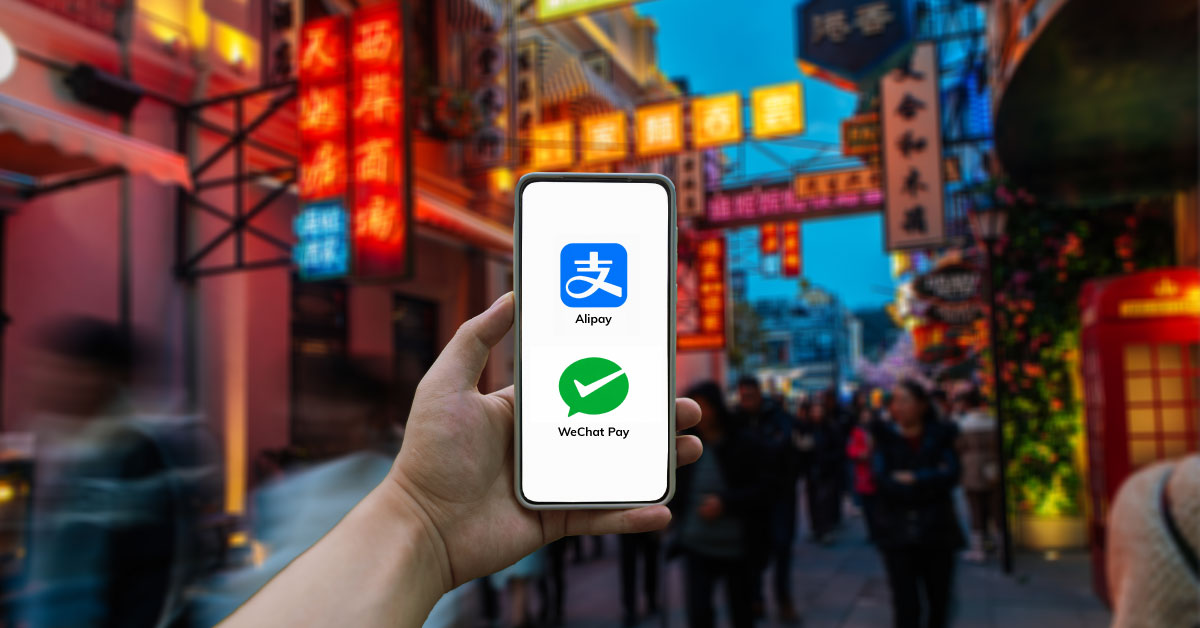
If there is one thing that surprises Singaporean travellers the most, it is how cash-light China has become. While cash remains legal tender, many businesses, especially smaller merchants, operate almost entirely through QR-code payments. Some shops may struggle to provide change for cash transactions, while international credit cards are not universally accepted outside major hotels and tourist establishments.
Set Up Alipay and WeChat Pay Before Departure
The two most widely used payment platforms in China are AliPay (支付宝) and WeChat Pay (微信支付). Both platforms allow foreign travellers to link international credit or debit cards and make payments using QR codes.
Many merchants accept both payment methods, although some businesses may prefer one platform over the other. Having both apps ready can help ensure a smoother payment experience throughout your trip. Before travelling, it is worth:
- Setting up Alipay
- Setting up WeChat Pay
- Linking your preferred payment cards
- Testing both apps before departure
- Carrying a small amount of RMB cash for emergencies
Reliable Connectivity Matters More Than Ever
Mobile payments, ride-hailing, attraction bookings, maps, and restaurant recommendations all depend on having internet access. Without connectivity, even basic activities such as paying for a meal or navigating to your hotel can become more difficult.
This is where travel-related benefits can be particularly useful. For example, Travel Pass members may enjoy perks such as complimentary global eSIM benefits, making it easier to stay connected from the moment they land. For travellers who make multiple trips throughout the year, an annual travel insurance plan may also be worth considering, depending on your travel habits.

Download These Apps Before Your Flight
While international travel apps remain useful, local platforms often provide more comprehensive information and better value in China. Spending a few minutes setting up the right apps before departure can make your trip considerably smoother.
Dianping (大众点评) for Local Recommendations
Dianping is one of China’s most popular lifestyle and review platforms, helping users discover everything from restaurants and cafés to attractions, shopping destinations, and local experiences. You can use it to:
- Find highly rated restaurants and cafés
- Browse customer photos and reviews
- Check menus and pricing
- Discover attractions and activities
- Explore shopping, entertainment, and lifestyle recommendations
- Find local favourites that may not appear on international platforms
For travellers, Dianping can be particularly useful when exploring unfamiliar cities. Whether you’re searching for a hidden neighbourhood eatery, a trending café, or a highly rated attraction, it provides insights from local users that can help you make more informed choices throughout your trip.
Meituan (美团) for Deals and Discounts
Meituan is one of China’s largest lifestyle platforms. In major cities, it is common to find restaurants offering significantly better pricing through Meituan vouchers than through walk-in purchases. Before paying for a meal, it is worth taking a quick look to see whether any discounts are available. Through the app, travellers can often:
- Purchase discounted restaurant vouchers
- Access meal promotions
- Book attractions
- Find local deals and offers
DiDi (滴滴出行) for Ride-Hailing
Think of DiDi as China’s equivalent of Grab. Foreign visitors can use DiDi with international phone numbers and make payments through linked payment methods. The platform allows you to:
- Book rides easily
- View estimated fares upfront
- Track your driver’s location in real time
- Avoid language-related misunderstandings by using destination address directly within the app
One of DiDi’s biggest advantages for international travellers is that it reduces the need to communicate directions verbally. Instead of explaining your destination in Mandarin, you can simply enter or select it within the app. The driver receives the destination details in Chinese, making the journey smoother and reducing the risk of confusion over place names, pronunciation, or specific pick-up and drop-off locations.
For added convenience, save the Chinese addresses of your hotel, train stations, attractions, and restaurants before your trip. This can make navigating unfamiliar cities much easier, particularly when travelling beyond major tourist areas.
Maps and Translation Apps
While navigation may seem straightforward, local mapping platforms often provide more accurate information for mainland China. Consider downloading:
- Amap (Gaode Map)
- Baidu Maps
- A translation app with offline capabilities
It is also helpful to save key locations such as hotels, train stations, and attractions in Chinese characters before you travel.
Getting Around China Is Easier Than Many People Expect

China has invested heavily in transport infrastructure, making it remarkably easy to travel between cities once you understand the system.
High-Speed Rail Is Often Better Than Flying
China’s high-speed rail network is the largest in the world and is often one of the most efficient ways to travel between cities. For shorter intercity journeys, trains can sometimes be more convenient than flying when airport transfers, security screening, and boarding times are considered.
Many Singaporeans visiting China today also combine multiple destinations into a single trip. An itinerary spanning Shanghai, Hangzhou, Suzhou, Beijing, Chengdu, or Chongqing can be completed efficiently through a combination of high-speed rail and local transport networks.
However, multi-city travel also means coordinating train schedules, flights, accommodation bookings, and attraction reservations. A missed connection, travel delay, or unexpected medical situation can quickly disrupt carefully planned itineraries. Before your trip, consider whether you have adequate travel insurance coverage for potential travel-related disruptions, particularly if you’re planning to move between several cities during your stay.

Think Twice Before Renting a Car
While self-drive holidays are popular in destinations such as Australia and New Zealand, renting a car in China may not be the most practical option for many Singaporean travellers. Visitors may encounter challenges such as:
- Additional administrative requirements
- Driving regulations and road systems that may be unfamiliar
- Heavy traffic in major cities
- Limited parking availability in urban areas
- Toll roads and navigation platforms designed primarily for local users
In addition, many of China’s most popular destinations are already well-connected by high-speed rail, metro networks, and ride-hailing services. For travellers exploring cities such as Shanghai, Beijing, Chengdu, Hangzhou, or Chongqing, using a combination of high-speed rail, public transport, and ride-hailing services is often a more convenient way to get around. This allows you to focus on enjoying your trip rather than navigating unfamiliar roads and parking restrictions.
Your Passport Is More Important Than Your Wallet
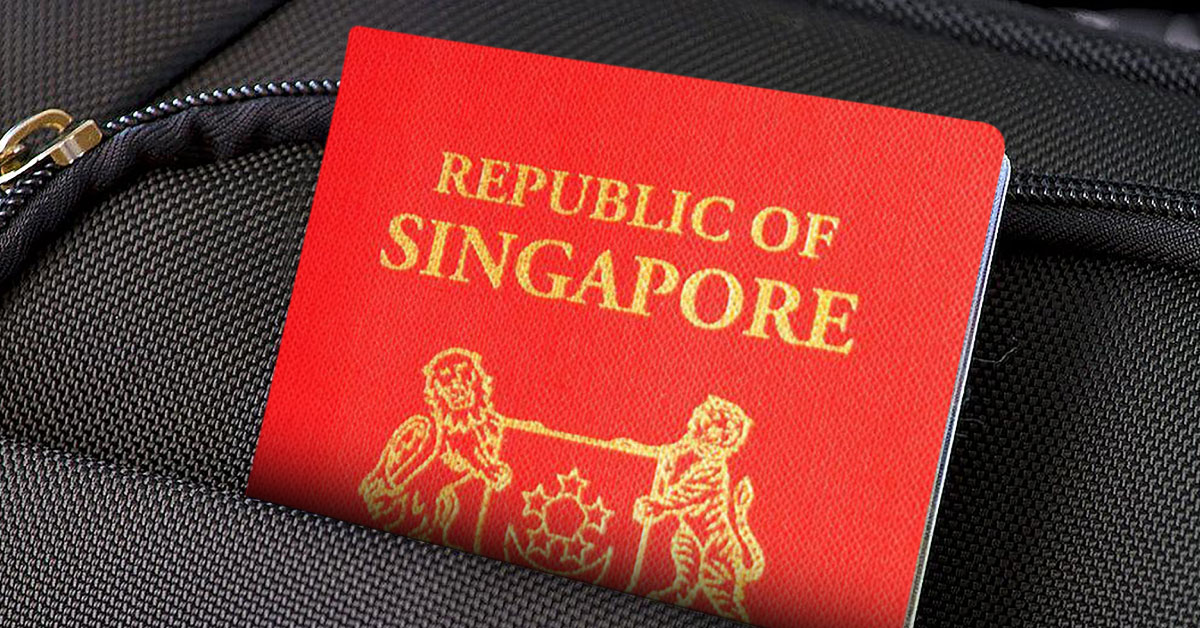
Many travellers think of their passport as something they only need at immigration checkpoints. In China, your passport often becomes one of the most frequently used items throughout your trip. China’s real-name verification systems are integrated across various travel services, meaning your passport may be required for:
- High-speed rail bookings and boarding
- Attraction reservations
- Attraction entry
- Hotel check-ins
- Identity verification
- Various ticketing systems
A growing number of popular attractions operate on advance reservation systems linked to passport details. If the passport information used during booking does not match the document presented on arrival, entry may be delayed or denied. When making reservations:
- Enter passport details carefully
- Double-check spellings
- Keep confirmation records accessible
- Bring the same passport used during booking
Prepare Differently, Travel Confidently
China offers an incredibly rewarding travel experience, whether you’re admiring Shanghai’s skyline, exploring ancient landmarks in Xi’an, sampling local delicacies in Chengdu, or travelling between cities on the high-speed rail network.
The key to a smooth trip is preparation. Understanding how payments work, downloading the right apps, planning your transport, and keeping your passport readily available can help you avoid many of the challenges first-time visitors encounter.
With the right tools, reliable connectivity, and suitable travel protection in place, you’ll be well positioned to navigate China’s digital ecosystem and focus on what matters most: experiencing the culture, food, and destinations that make the country such a fascinating place to explore.
Frequently Asked Questions About Travelling to China
Do Singaporeans need a visa to travel to China?
Singapore passport holders can enter China visa-free for up to 30 days under the reciprocal visa exemption arrangement.
Is cash still accepted in China?
Yes. Cash remains legal tender, although mobile payments are often the preferred method used by both consumers and merchants.
Should I use Alipay or WeChat Pay?
Both Alipay and WeChat Pay are widely accepted across China. Having both apps set up before departure can help ensure a smoother payment experience, as some merchants and services may favour one platform over the other.
Can foreigners use DiDi?
Yes. Foreign travellers can register with international phone numbers and use supported payment methods to book rides.
Do I need my passport for train travel and attractions?
In many cases, yes. China’s real-name verification system links many bookings and reservations to your passport details.
[End]
Information is accurate as of 2 October 2026. This policy is underwritten by Etiqa Insurance Pte. Ltd. (Company Reg. No. 201331905K). Protected up to specified limits by SDIC.
This content is for the reference only and is not a contract of insurance. Full details of the policy terms and conditions can be found in the policy contract. The information contained on this product advertisement is intended to be valid in Singapore only and shall not be construed as an offer to sell or solicitation to buy or provision of any insurance product outside Singapore.
About Etiqa Insurance Pte. Ltd
Etiqa Insurance Pte. Ltd. (EIPL) is a life and general insurance company licensed and regulated by the Monetary Authority of Singapore and governed by the Insurance Act 1966. Having protected customers in Singapore since 1961 under the name United General Insurance Co. Sdn. Bhd., the company transitioned into the Singapore branch of Etiqa Insurance Berhad in 2009. Today, EIPL in Singapore stands as the pivotal operating entity of Etiqa Insurance Group, a leading insurance and takaful provider in ASEAN.
EIPL offers a comprehensive range of life and general insurance products accessible through its diverse distribution channels, including bancassurance, agents, brokers, financial advisers, partnerships, direct and online sales via Tiq by Etiqa. Etiqa is rated ‘A’ by credit rating agency Fitch for the group’s ‘Favorable’ business profile. The company is a member of the Maybank Group.