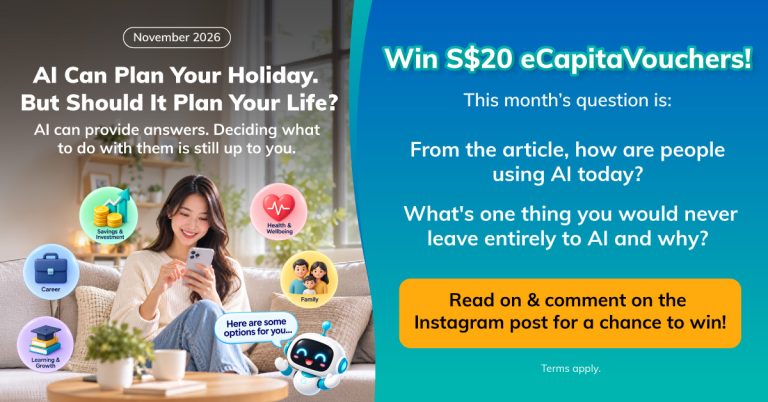

Artificial Intelligence (AI) is increasingly being used for everyday tasks, from planning holidays and summarizing information to drafting messages and managing schedules. While AI can be a useful tool, it is not infallible. Understanding its strengths, limitations, and potential risks can help you use it more effectively and responsibly. Here’s what you need to know.
AI Has Moved Beyond the Workplace
From Emerging Technology to Everyday Tool
AI is no longer limited to technology companies or specialists. Today, AI-powered features are built into many of the apps, devices, and online services that people use every day.
From voice assistants and search engines to email tools and customer service chatbots, AI helps people find information, complete tasks, and communicate more efficiently. As these tools become more accessible, more Singaporeans are using AI not just for work, but also for learning, planning, and everyday decision-making.
Why More People Are Using AI
One of the main reasons more Singaporeans are adopting AI is convenience. Tasks that once required extensive research or manual effort, such as planning holidays, drafting messages, organising schedules, or summarising information, can now be completed much more quickly.
AI also makes information more accessible. Instead of searching through multiple sources, users can obtain quick explanations, summaries, and recommendations tailored to their needs. This can be helpful when comparing products, learning new topics, or making everyday decisions.
Another key benefit is improved productivity. By helping with routine and time-consuming tasks, AI allows users to focus on higher-value activities, whether that’s studying, solving problems, making informed decisions, or spending more time on what matters most.
How Singaporeans Are Using AI Today
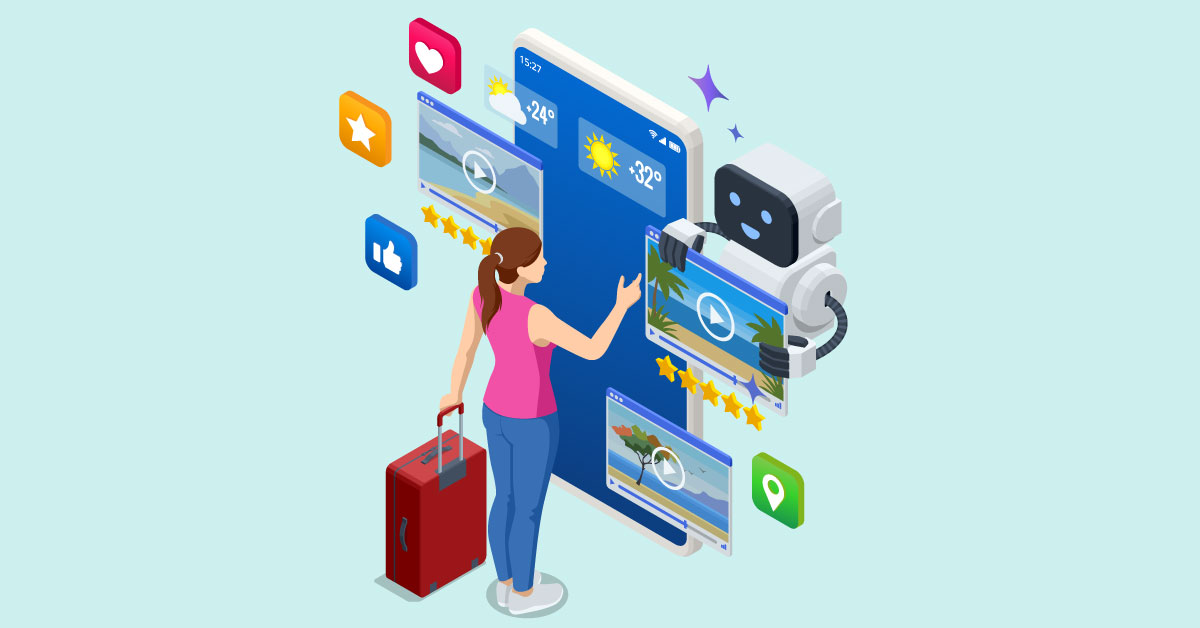
AI is increasingly being used to support everyday tasks, both at work and in daily life. While the technology may seem new, many of its applications are already familiar to Singaporeans.
Planning Holidays More Efficiently
Planning a holiday often involves comparing destinations, researching attractions, estimating budgets, and building an itinerary. AI tools can streamline much of this process by helping travellers gather information, identify points of interest, suggest activities based on preferences, and even translate foreign-language content.
While AI can serve as a useful starting point, travellers should still verify practical details such as operating hours, visa requirements, and local regulations before making bookings.
Summarising Information Quickly
Many people use AI to digest large amounts of information in less time. Whether reviewing lengthy reports, understanding unfamiliar topics, analysing meeting notes, or extracting key takeaways from articles, AI can help identify the most relevant points.
This can be particularly useful in a world where information is abundant and attention is limited. However, summaries should not replace reading original sources when accuracy is critical.
Drafting Messages and Improving Communication
AI is increasingly used as a writing assistant. It can help draft emails, reports, presentations, social media captions, job applications, and other forms of written communication. Rather than replacing human creativity, AI often functions as a starting point that helps users organise their thoughts, improve clarity, or overcome writer’s block. Final reviews remain important to ensure the content is accurate, appropriate, and reflects the writer’s intended tone.
Comparing Products and Services
From choosing a holiday destination to finding a new mobile plan, many of us spend time comparing options before deciding. AI can help speed up the process by summarising key differences, highlighting features, and presenting information in an easier-to-digest format.
It can be particularly useful when you’re short on time or unsure where to start. For example, you might use AI to compare travel options for your next getaway, shortlist a few gadgets, or even settle the age-old question of where to go for lunch.
While AI can help with the initial research, the final decision should still be yours. Think of it as a helpful assistant that can save time, while you decide which option best fits your needs, preferences, and budget.
What AI Does Well and Where Human Judgement Still Matters
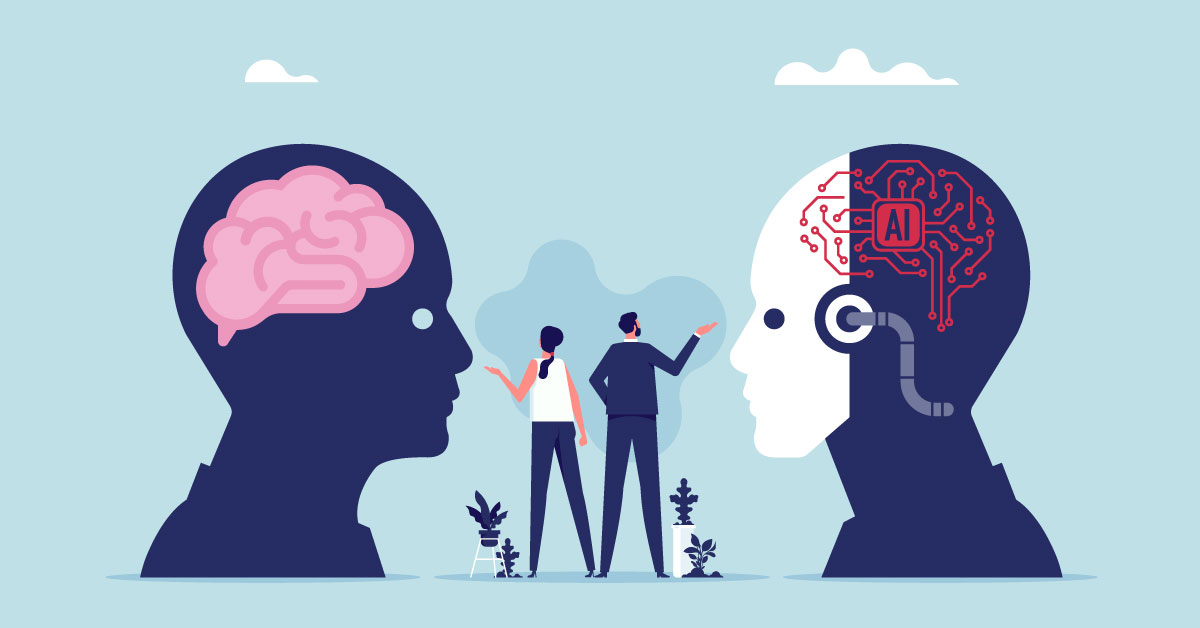
While AI can be helpful for many tasks, it is important to understand where its strengths end and where human judgement must take over. The table below provides a useful rule of thumb.
| Everyday Task | How AI Can Help | What You Should Still Do |
| Planning a holiday | Suggest destinations, itineraries, and budgets | Verify travel requirements, costs, and operating hours |
| Comparing products | Summarise features and differences | Consider your personal needs and budget |
| Drafting emails or messages | Generate a first draft | Check tone, accuracy, and context |
| Learning a new topic | Explain concepts and answer questions | Verify facts using reliable sources |
| Managing schedules | Suggest priorities and reminders | Make final decisions based on your commitments |
| Financial decisions | Help organise information and compare options | Seek professional advice where appropriate |
| Healthcare information | Explain medical terms and conditions | Consult a qualified healthcare professional for diagnosis or treatment |
Tasks AI Handles Well
AI is particularly effective at processing large volumes of information and identifying patterns. These capabilities can help users save time and improve productivity, particularly for repetitive or research-intensive tasks. Some tasks that AI performs well include:
- Summarising information
- Brainstorming ideas
- Drafting content
- Organising information
- Supporting routine administrative work
What AI Cannot Replace
There are many situations where human judgement remains essential. AI cannot fully understand personal circumstances, values, ethics, or nuanced social contexts. It also lacks lived experience and professional accountability. Areas where human judgement remains critical include:
- Ethical decision making
- Evaluating trade-offs
- Personal financial decisions
- Professional advice
- Emotional support and empathy
- Context-specific problem solving
For important decisions involving health, finances, legal matters, or major life choices, professional guidance should always take precedence over AI-generated suggestions.
AI Doesn’t Always Get It Right
AI can be incredibly helpful, but it doesn’t always get things right. Sometimes the information it provides may be outdated, missing important context, or simply incorrect despite sounding convincing. These inaccuracies are often referred to as “hallucinations”, where AI generates content that appears factual but isn’t. This can include:
- Incorrect statistics
- Fabricated references
- Misquoted sources
- Out-dated information
- Recommendations that may not be suitable for your situation
That’s why it’s a good habit to double-check important information, especially when it involves your finances, health, studies, work, or travel plans. You can do this by:
- Checking original sources
- Verifying statistics and claims
- Reviewing cited references where available
- Comparing information across multiple sources
A useful way to think about AI is as a copilot rather than an autopilot. It can help you research, organise information, brainstorm ideas, or get started on a task, but the final decision should still be yours. Treat AI as a helpful assistant that points you in the right direction. A little curiosity and critical thinking can go a long way in helping you separate useful insights from potential mistakes.
Stay Safe When Using AI

AI can be a useful tool, but it’s important to approach it with the same level of caution you would apply to any online service. When using AI tools, avoid sharing sensitive information such as:
- NRIC numbers
- Bank account information
- Credit card details
- Passwords
- Medical records
- Confidential workplace information
It’s also worth remembering that scammers are increasingly using AI to make scams appear more convincing. If something feels unusual or too good to be true, pause and verify it through official channels before acting. To protect yourself online, adopt good cybersecurity habits such as:
- Enabling multi-factor authentication (MFA)
- Using strong, unique passwords
- Verifying information before acting on it
- Keeping devices and software updated
- Downloading apps only from trusted sources
As AI-powered scams become more sophisticated, it is also worth considering how prepared you would be if your personal information, online accounts, or finances were compromised. Alongside practising good cyber hygiene, some individuals choose to supplement their protection with personal cyber insurance designed to provide support in the event of certain cybercrime or online fraud incidents.

Helping Seniors Navigate a Digital World with Greater Confidence

AI can make technology more accessible for seniors, particularly through voice-enabled tools that allow them to interact using natural language instead of navigating complex menus or interfaces. This can make everyday digital tasks feel less intimidating and more approachable. For example, seniors can use AI to:
- Search for information
- Set reminders
- Manage appointments
- Read articles aloud
- Answer everyday questions
- Draft messages to family and friends
AI can also support lifelong learning. Whether it’s learning a new skill, exploring a hobby, practising a language, or understanding unfamiliar concepts, AI tools allow users to ask follow-up questions and learn at their own pace. This conversational approach can help build digital confidence while encouraging curiosity and continuous learning.
Where to Learn More About AI in Singapore
Interested in building your AI knowledge? Singapore offers a wide range of learning opportunities for different ages, interests, and experience levels. Some resources worth exploring include:
- IMDA Digital Skills Initiatives
The IMDA offers digital literacy programmes and has introduced AI and Generative AI content as part of broader efforts to help Singaporeans build digital confidence and prepare for an increasingly digital economy. - National Library Board (NLB)
NLB regularly organizes workshops, talks, and learning programmes covering topics such as AI, online privacy, media literacy, and cyber wellness, helping members of the public better understand emerging technologies. - SkillsFuture Courses
Those looking to deepen their understanding of AI can browse SkillsFuture-supported courses covering topics such as AI fundamentals, Generative AI, prompt engineering, productivity tools, and AI governance. Courses are available for both beginners and working professionals.
As AI continues to evolve, the most valuable skill may not be learning how to rely on AI but learning how to work effectively alongside it. By combining the efficiency of AI with critical thinking, digital literacy, and responsible online habits, Singaporeans can use these tools confidently, safely, and productively.
Frequently Asked Questions
What is generative AI?
Generative AI refers to AI systems that can create new content, such as text, images, audio, videos, or code, based on patterns learned from existing data. Examples include AI chatbots, image generators, and content creation tools.
Can AI replace human jobs completely?
AI is likely to automate certain tasks rather than entire occupations. Many jobs will continue to require creativity, judgement, communication, relationship management, and problem-solving skills that AI cannot fully replicate.
Is it safe to share personal information with AI tools?
As a rule, avoid sharing sensitive personal information, financial details, passwords, medical records, or confidential work-related data with AI platforms unless you understand how the information will be stored and used.
How can seniors start using AI?
Seniors can start with simple, voice-enabled AI tools on smartphones, tablets, or smart speakers. Beginning with practical tasks such as setting reminders, searching for information, or drafting messages can help build confidence gradually.
What are the risks of using AI?
Common risks include inaccurate information, privacy concerns, cybersecurity threats, misinformation, deepfakes, and overreliance on AI-generated recommendations. Responsible use and verification remain important.
Do I need technical skills to use AI?
No. Many AI tools are designed for everyday users and require little to no technical knowledge. Basic digital literacy and understanding of responsible usage are often sufficient for most common applications.
[End]
Information is accurate as of 2 November 2026. This policy is underwritten by Etiqa Insurance Pte. Ltd (Company Reg. No. 201331905K).
This content is for the reference only and is not a contract of insurance. Full details of the policy terms and conditions can be found in the policy contract. The information contained on this product advertisement is intended to be valid in Singapore only and shall not be construed as an offer to sell or solicitation to buy or provision of any insurance product outside Singapore.
About Etiqa Insurance Pte. Ltd
Etiqa Insurance Pte. Ltd. (EIPL) is a life and general insurance company licensed and regulated by the Monetary Authority of Singapore and governed by the Insurance Act 1966. Having protected customers in Singapore since 1961 under the name United General Insurance Co. Sdn. Bhd., the company transitioned into the Singapore branch of Etiqa Insurance Berhad in 2009. Today, EIPL in Singapore stands as the pivotal operating entity of Etiqa Insurance Group, a leading insurance and takaful provider in ASEAN.
EIPL offers a comprehensive range of life and general insurance products accessible through its diverse distribution channels, including bancassurance, agents, brokers, financial advisers, partnerships, direct and online sales via Tiq by Etiqa. Etiqa is rated ‘A’ by credit rating agency Fitch for the group’s ‘Favorable’ business profile. The company is a member of the Maybank Group.