
When Luke’s wife was diagnosed with breast cancer, life changed almost overnight. As a husband, father of two, and full-time professional, he suddenly found himself taking on the role of a caregiver, balancing new responsibilities while supporting his wife through treatment and recovery.
His experience reflects a reality many families face when a serious illness strikes. While much of the attention naturally focuses on the patient, far less is said about the caregivers supporting them every step of the way.
Through Luke’s story, we shine a spotlight on the challenges, sacrifices, and lessons that often go unseen when caring for a loved one. Looking back, one of the things Luke remembers most clearly is how quickly everything unfolded.
| Caregiver’s Perspective
“It was an overwhelming and very busy time. We rushed from one doctor to another, from blood tests and a PET scan to back-to-back appointments with her surgeons. There were only five days between her diagnosis and surgery.” |
Critical Illness Doesn’t Just Affect One Person
When people hear the words “critical illness”, they often think about the medical impact on the patient. In reality, the effects ripple through an entire family. A diagnosis can influence:
- A spouse’s daily responsibilities
- Children’s emotional wellbeing
- Household finances
- Work commitments
- Caregiving arrangements
- Mental and emotional health
Whether the illness is cancer, stroke, heart disease, kidney failure, or another critical illness, families often need to adapt quickly to new routines and responsibilities.
Many caregivers find themselves managing tasks they have never handled before while supporting someone they love through one of the most difficult periods of their life.
What Caregiving Really Looks Like
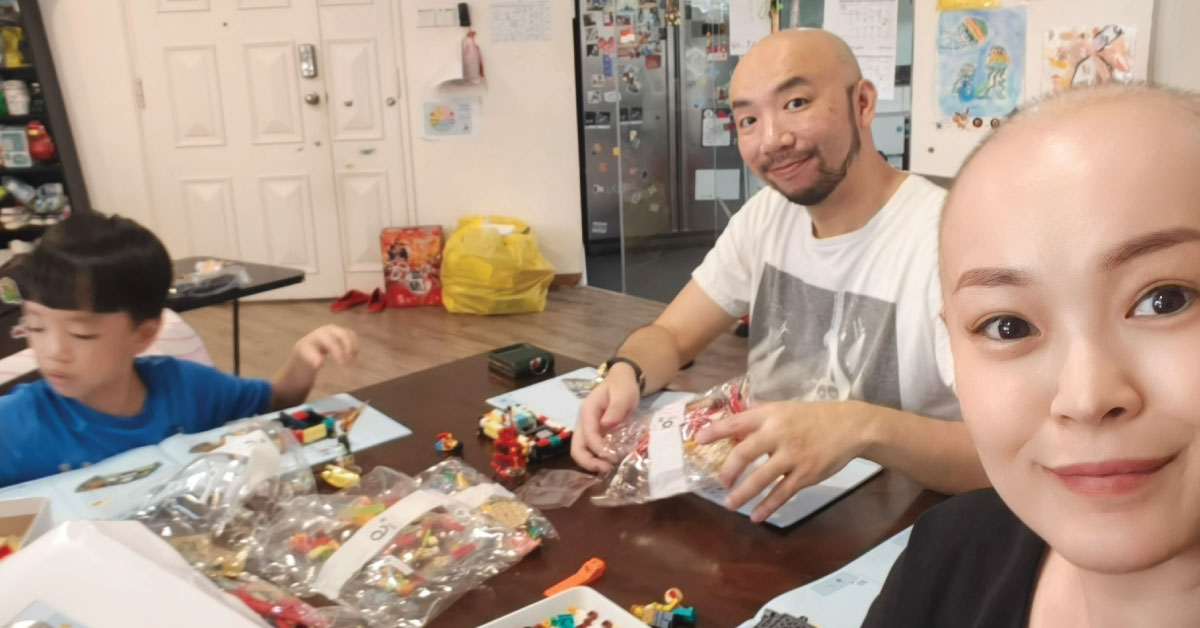
Caregiving is often described as an act of love. What is less visible is the amount of work that happens behind the scenes. Depending on the illness and treatment plan, caregivers may be responsible for:
- Scheduling and attending medical appointments
- Managing medications
- Coordinating transportation
- Caring for children or elderly parents
- Monitoring recovery progress
- Handling household responsibilities
- Providing emotional support
For Luke, the shift happened almost immediately.
| Caregiver’s Perspective
“Before her diagnosis, my wife managed the household and the children’s schedules, while I handled their behaviour and discipline. When treatment began, I had to take on more responsibilities. I managed the children’s homework, studies, and behaviour while making sure she had enough rest to recover between chemotherapy cycles.” |
The challenge is rarely one big task. It is the accumulation of dozens of smaller responsibilities that can gradually become overwhelming.
When Children Are Part of the Journey
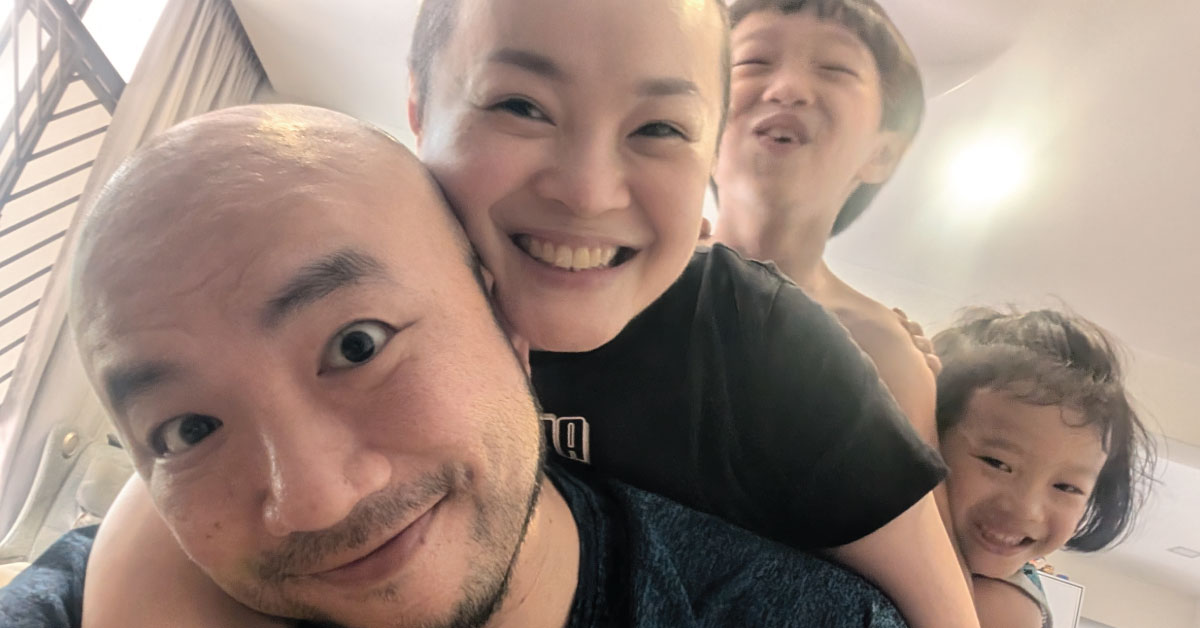
One of the most difficult questions parents face after a serious diagnosis is: “How much should we tell the children?”
The answer often depends on a child’s age and maturity. Experts generally recommend using age-appropriate language while maintaining honesty and reassurance.
Luke’s children were only four and six years old when their mother was diagnosed.
| Caregiver’s Perspective
“I explained it using simple words they could understand. I told them that Mummy was sick and needed treatment to get better. I also reminded them that we all needed to help take care of her.” |
One moment remains particularly meaningful to him. Before her first chemotherapy session, Luke’s wife gathered the family to shave her head together.
| “Instead of allowing the children to see cancer take her hair away, she chose to take control of the situation and told them that she was becoming a ‘soldier’ ready to fight the illness.” |
This experience helped her children better understand the situation while reducing fear and uncertainty.
The Emotional Load Nobody Sees
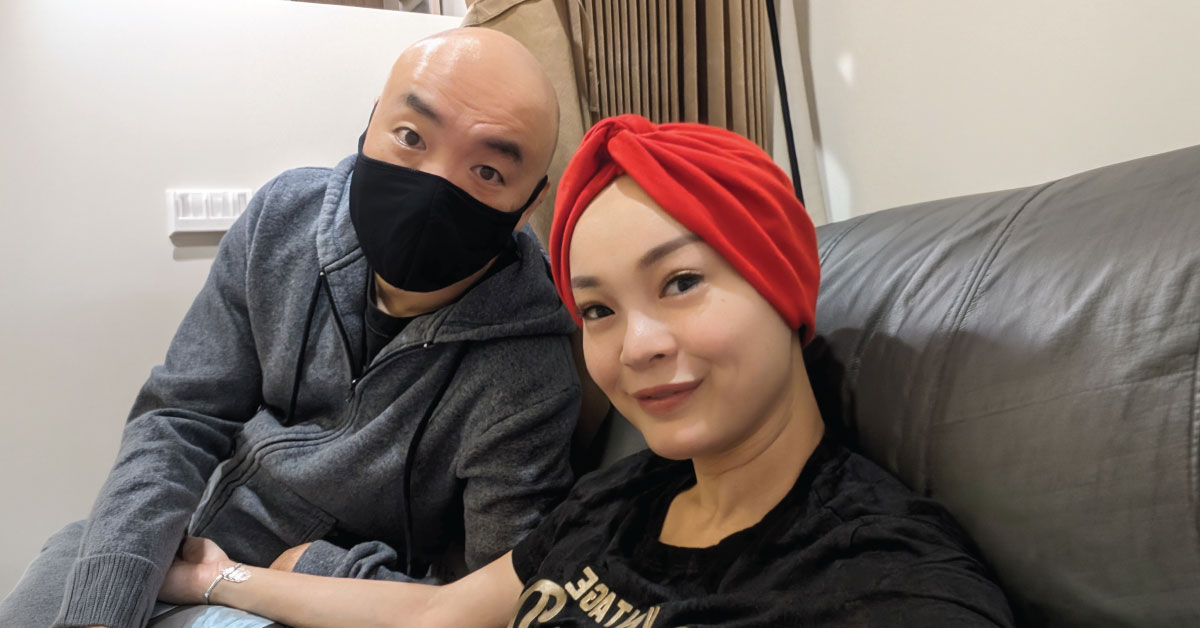
Caregiving involves more than physical responsibilities. Many caregivers experience:
- Emotional exhaustion
- Anxiety
- Caregiver guilt
- Chronic stress
- Sleep disruption
- Decision fatigue
Local studies have consistently highlighted the emotional and mental health challenges faced by caregivers in Singapore. While caregivers often focus on the needs of others, they may struggle to acknowledge their own challenges. Luke’s greatest concern was not necessarily the medical treatment itself.
| Caregiver’s Perspective
“The hardest part emotionally was worrying about her mental and emotional wellbeing. There were times when she would overthink and imagine the worst-case scenario. I tried to help her focus on the present rather than worry about things that had not happened.” |
Caregivers frequently become emotional anchors for others, even when they themselves are carrying significant worries. As Luke reflects:
| “Caregivers need care and support too. We may try to stay strong, but we also become physically and emotionally tired.” |
Looking After Yourself Doesn’t Make You Selfish
One of the biggest misconceptions about caregiving is that self-care is a luxury. Yet caring for yourself is often what enables you to continue caring for others. Over time, neglecting your own wellbeing can make it harder to provide the support your loved one needs.
Five Reminders Every Caregiver Needs
- Accept help when it is offered
Family and friends often want to help but may not know what you need. Instead of trying to manage everything yourself, be specific about how others can support you. This could be as simple as helping with school pick-ups, preparing meals, running errands, or accompanying your loved one to appointments. Small acts of support can make a meaningful difference during particularly demanding periods.
- Share caregiving responsibilities where possible
Caregiving is rarely a sprint. It is often a long journey that requires sustained physical and emotional energy. If possible, involve family members, close friends, or professional caregivers in the process. Even a few hours of help each week can give you valuable time to rest, recharge, or attend to your own responsibilities.
- Stay connected to your own healthcare needs
When a loved one is unwell, it’s easy to place your own health on the back burner. However, delaying medical appointments, skipping health screenings, or ignoring signs of stress can affect your ability to care for others in the long run. Looking after your own health is an important part of being able to support someone else effectively.
- Make time for rest
Many caregivers feel guilty about stepping away, even briefly. Yet adequate sleep, rest, and personal time are essential for maintaining resilience. Taking regular breaks can help reduce stress, improve decision-making, and prevent burnout. By looking after your own well-being, you’ll be better equipped to provide consistent support over the long term.
- Seek emotional support
Caregiving can feel isolating at times, especially when you’re carrying worries that others may not fully understand. Speaking with trusted friends, family members, support groups, or a counsellor can provide encouragement, perspective, and a safe space to process your emotions. You don’t have to navigate the journey alone.
For Luke, support from family, friends, his workplace, and healthcare professionals made a significant difference.
| Caregiver’s Perspective
“Because we had family, friends, our helper, the medical team, and my whole workplace supporting us, I never felt that the challenges became too overwhelming.” |
Preparing Before Life Takes an Unexpected Turn
No amount of planning can eliminate the emotional impact of a critical illness. However, preparation can reduce financial uncertainty and provide families with more options. Potential expenses may include:
| Potential Cost | Examples |
| Medical treatment | Surgery, medication, chemotherapy, rehabilitation |
| Transport | Frequent hospital visits and follow-ups |
| Childcare | Additional care arrangements |
| Household support | Domestic help and caregiving assistance |
| Income disruption | Reduced working hours or time away from work |
| Recovery needs | Home modifications or rehabilitation equipment |
For Luke’s family, financial preparation provided reassurance when they needed it most.
| Caregiver’s Perspective
“My wife had prepared for it. She purchased insurance covering hospitalisation, critical illness, and early-stage critical illness. The payouts allowed her to continue ‘paying’ herself while she focused on recovering.” |
Insurance cannot remove the emotional burden of a diagnosis. What it may do is help families spend less time worrying about finances and more time focusing on treatment, recovery, and caregiving.
Products such as critical illness insurance can provide a lump sum payout upon diagnosis of a covered condition, while hospitalisation coverage can help offset eligible medical expenses. Depending on a family’s circumstances, this additional financial support may help cushion the impact of reduced income, recovery costs, and ongoing treatment needs.
Questions Every Family Should Ask Before a Crisis Happens

Many important conversations only happen after a diagnosis, when emotions are running high and decisions need to be made quickly. While no family likes to think about worst-case scenarios, having these discussions earlier can reduce uncertainty and help everyone feel more prepared should the unexpected happen. Consider asking:
✅ Do we know where our insurance policies and important financial documents are kept?
In an emergency, the last thing you want is to spend valuable time searching for policy details, medical records, or account information. Keeping these documents organised and accessible can help reduce stress when important decisions need to be made.
✅ Would we have enough savings if one income stopped temporarily? Could one income support the household for an extended period?
A serious illness can affect more than medical expenses. Time away from work, caregiving responsibilities, and additional support services can place unexpected pressure on household finances.
✅ Who would care for the children if a parent became seriously ill?
Having a plan in place can provide reassurance for both parents and children. Consider who could help with school runs, childcare arrangements, or day-to-day routines if needed.
✅ Who can help with caregiving responsibilities?
Caregiving is rarely something one person should shoulder alone. Identifying family members, friends, or professional support services ahead of time can make it easier to ask for help when the need arises.
✅ Do we know each other’s healthcare preferences?
Discussing treatment preferences and healthcare decisions may feel uncomfortable, but these conversations can help family members better understand and support one another during difficult situations.
These conversations may not prevent a crisis, but they can help families navigate one with greater clarity, confidence, and support.
Luke’s Biggest Lesson
Looking back, Luke believes the experience changed how he views health, family, and planning.
| Caregiver’s Perspective
“Health must always come first. We can make many plans for our careers, family, and future, but everything comes to a halt when our health is affected.” |
He also came away with a deeper appreciation for preparation.
| “Good preparation cannot prevent illness, but it can give a family greater security and allow them to focus on recovery and supporting one another.” |
Conclusion
Caregiving is one of the greatest acts of love a person can offer. Behind every diagnosis is often someone quietly helping to keep life moving forward, one day at a time.
Today, Luke’s wife is doing well, and the family continues to move forward together. While the journey was far from easy, a strong support system, a positive mindset, and sufficient financial coverage helped lighten some of the burdens along the way.
Whether you are currently supporting a loved one through illness or planning ahead for the future, building a support network, having important family conversations, and preparing financially can help ease some of the challenges that may lie ahead.
Frequently Asked Questions
How do I support a loved one who has been diagnosed with cancer?
Start by focusing on practical and emotional support. Attend medical appointments where possible, help manage daily responsibilities, encourage open communication, and be patient with changing emotions and energy levels. Every person’s experience is different, so it’s important to understand what kind of support your spouse needs most at each stage of treatment.
How do I explain a parent’s cancer diagnosis to a child?
Use age-appropriate language that your child can understand. Be honest about the situation without overwhelming them with medical details and reassure them that they are loved and cared for. Encourage questions and create space for ongoing conversations as treatment progresses.
What are the signs of caregiver burnout?
Common signs include persistent fatigue, irritability, difficulty sleeping, feeling overwhelmed, withdrawing from social activities, and neglecting your own health needs. If these symptoms persist, it may be time to seek support from family members, friends, support groups, or a mental health professional.
How can families prepare financially for a serious illness?
Preparation may include building an emergency fund, reviewing insurance coverage, organising important financial documents, and discussing how household expenses would be managed if one family member was unable to work for a period of time.
Why is critical illness insurance important for families?
A critical illness can affect both a person’s health and their income. Depending on the policy terms and coverage, critical illness insurance may provide a lump sum payout upon diagnosis of a covered condition, helping families manage expenses and focus on recovery during a challenging period.
What should families discuss before a medical crisis happens?
Consider discussing healthcare preferences, caregiving arrangements, childcare plans, financial responsibilities, emergency contacts, and where important documents are stored. Having these conversations early can make decision-making easier during difficult moments.
[End]
Information is accurate as at 2 September 2026.
This policy is underwritten by Etiqa Insurance Pte. Ltd (Company Reg. No. 201331905K). This content is for the reference only and is not a contract of insurance. Full details of the policy terms and conditions can be found in the policy contract. The information contained on this product advertisement is intended to be valid in Singapore only and shall not be construed as an offer to sell or solicitation to buy or provision of any insurance product outside Singapore.
You should seek advice from a financial adviser before deciding to purchase the policy. If you choose not to seek advice, you should consider if the policy is suitable for you. As this product has no savings or investment feature, there is no cash value if the policy ends off if the policy is terminated prematurely. This policy is protected under the Policy Owners’ Protection Scheme which is administered by the Singapore Deposit Insurance Corporation (SDIC). Coverage for your policy is automatic and no further action is required from you. For more information on the types of benefits that are covered under the scheme as well as the limits of coverage, where applicable, please contact us or visit us the Life Insurance Association (LIA) or SDIC websites (www.lia.org.sg or www.sdic.org.sg).
Tiq by Etiqa Insurance Pte. Ltd.
A digital insurance channel that embraces changes to provide simple and convenient protection, Tiq’s mission is to make insurance transparent and accessible, inspiring you today to be prepared for life’s surprises and inevitabilities, while empowering you to “Live Unlimited” and take control of your tomorrow.
With a shared vision to change the paradigm of insurance and reshape customer experience, Etiqa created the strong foundation for Tiq. Because life never stops changing, Etiqa never stops progressing. A licensed life and general insurance company registered in the Republic of Singapore and regulated by the Monetary Authority of Singapore, Etiqa is governed by the Insurance Act and has been providing insurance solutions since 1961. It is 69% owned by Maybank, Southeast Asia’s fourth largest banking group, with more than 22 million customers in 20 countries; and 31% owned by Ageas, an international insurance group with 33 million customers across 16 countries.
Discover the full range of Tiq online insurance plans here.