In Singapore’s fast-paced, high-pressure environment, it’s easy for life to start feeling like a continuous loop of tasks, deadlines, and obligations. Stress and burnout are very real challenges. According to data from the Ministry of Manpower (MOM) and its partners, 1 in 3 Singaporean workers reported experiencing work-related stress or burnout, with many feeling disconnected from a deeper sense of purpose beyond their daily routines.
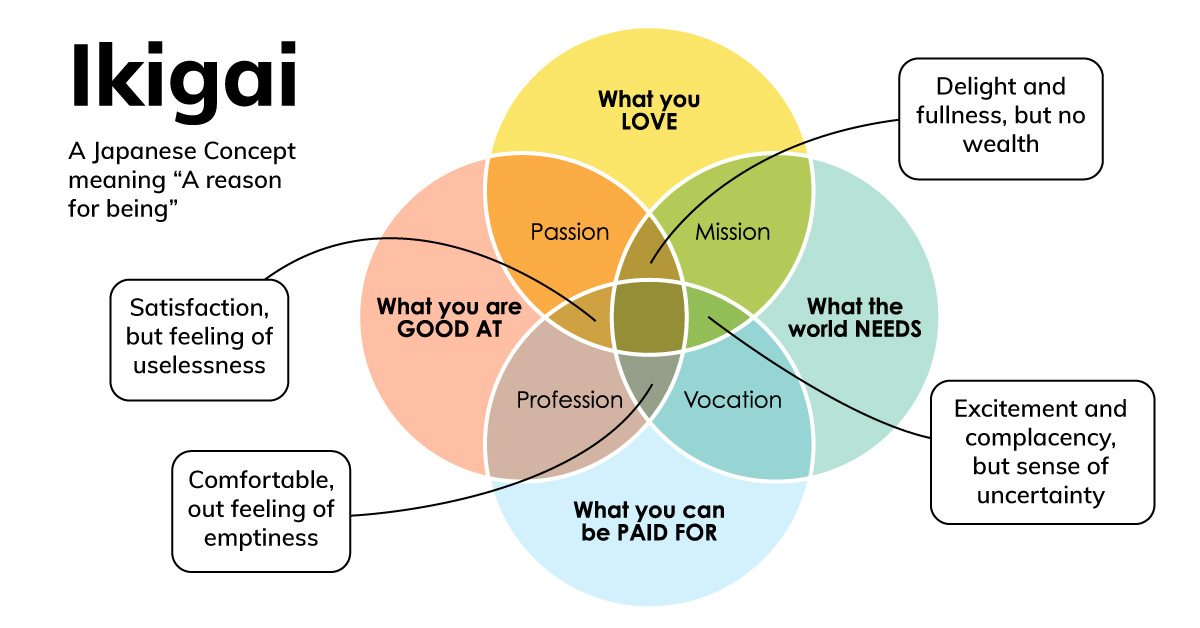
So how do we navigate overwhelm and bring meaning back into our lives? One concept gaining global attention is Ikigai. Ikigai is a Japanese philosophy that helps people find purpose by balancing four elements: what you love, what you’re good at, what the world needs, and what you can be paid for.
To see Ikigai in action, we spoke with local entrepreneur Anna, whose journey began with a simple love for crafts. Her personal passion grew into something meaningful, leading her to start her own brand, Cat in the Woods. By aligning her creative skills with opportunities to serve others, Anna created a path that feels purposeful and sustainable. Her story shows how Ikigai can take shape beyond theory, right here in Singapore.
The 4 Rules of Ikigai
At its core, Ikigai is often visualised as four overlapping circles, each representing a key dimension: Passion, Profession, Mission, and Vocation. The sweet spot, where all four intersect, is your Ikigai. Let’s break down each element with practical examples.
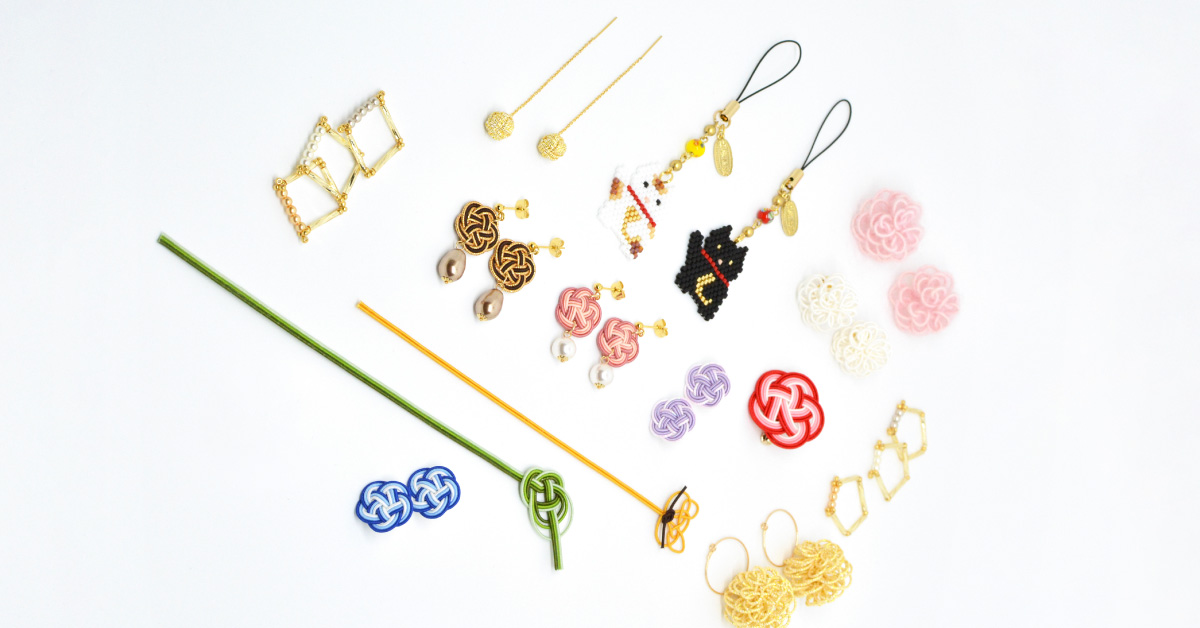
(An assortment of handmade crafts by Cat in the Woods)
1. Passion
Passion sits at the intersection of what you love and what the world needs. It reflects activities that energise you. These are pursuits that give you fulfilment and draw you in so deeply that time seems to banish, often before money or recognition matters.
Passion can take many forms. For example, it may appear through creative activities like singing, dancing, designing, crafting, baking, or cooking. Alternatively, it may emerge in people-focused work, such as teaching, mentoring, facilitating conversations, or simplifying complex ideas. It can also be purpose-driven, found in volunteering, caring for animals, or staying active through sports and movement.
Identifying your passion isn’t about finding a single, all-encompassing interest. Rather, it involves recognising recurring patterns over time. These patterns show the activities that constantly excite, sustain, and motivate you. They provide valuable clues about what truly matters. Ultimately, passion can form a meaningful foundation for both your career and life direction.
Anna’s Perspective:
“Since I was young, I liked to tinker with things and materials. I love to create with my own hands and to turn ideas in my head into tangible things. The material aspect of things is intriguing, and I often wonder how can I design and craft something interesting out of them, and I would spend hours on these experimentations.”
 (Anna, founder of Cat in the Woods)
2. Profession
Profession represents the intersection of what you are good at and what you can be paid for. It focuses on the skills you’ve developed over time; abilities shaped by repetition, feedback, and real-world experience.
These skills can appear as technical strengths, such as coding, editing, photography, data analysis, or working with numbers. They can also be practical, people-focused abilities, like organising projects, communicating clearly, building relationships, facilitating discussions, or public speaking.
While these abilities may not always ignite excitement on their own, they form the backbone of your professional value. They are skills others consistently rely on – the ones that enable you to contribute, perform, and sustain yourself in the working world.
Anna’s Perspective:
“Having keen observation skills to identify patterns, behavioural nuances, and preferences is an important skill that I have developed over the years. It guides me in designing and crafting new ideas, projects, and solutions. It’s like second nature to me at present.”
3. Mission
Mission is about what you love and what the world needs. It emerges from the issues you notice repeatedly, the situations that bother you enough to want to act, and the gaps you feel driven to help close. It is less about grand ideals, and more about responding to real needs in practical, human ways.
In a society like Singapore – fast-moving, high-performing, and digitally driven – these needs are often close to home. People juggle constant pressure and burnout while searching for meaning beyond productivity. Young adults encounter financial protection and insurance with little guidance, unsure how to make informed decisions. Seniors may find themselves excluded by rapid digitalisation, increasing their vulnerability to scams or limiting access to essential services. At the household level, everyday safety risks persist quietly, from fire hazards to preventable accidents in HDB and rental flats.
Your mission emerges where these realities strike a personal chord. For example, it reflects the causes you feel responsible for and guides you toward work that benefits others. Consequently, this work feels purposeful because it responds to what truly matters in the world around you.
Anna’s Perspective:
“I realised that in today’s world, where we are heavily reliant on technology, there is an inherent demand to connect with other human beings. One way is through art and design – be it through tangible art pieces or activities such as crafting, where one learns new hands-on skills by being fully engaged in their senses.”

4. Vocation
Vocation is where enjoyment, capability, and economic value come together. It is the process of shaping what you like doing and what you can do well into work that serves a real need and, in return, provides financial support in a sustainable way.
This may involve gradually monetising a creative interest, such as design, baking, or music. Alternatively, it could mean running a small home-based or freelance business, facilitating workshops or online classes, or offering consultation or part-time services. These paths let you test demand, refine your offering, and grow at a pace that fits your life.
Rather than chasing quick wins or titles, vocation is about viability. In other words, it asks whether your work can endure, meet genuine demand, support your livelihood, and fit into life sustainably.
Anna’s Perspective:
“I turned the love for creating and designing into a hustle when I started my own brand “Cat in the Woods”. The brand mainly focuses on artisanal crafts such as Mizuhiki art and beading as a creative journey. It’s a creative outlet for me to explore different art forms, create new ones through my own interpretation and experimentation, as well as to share my learnings and experiences with others by teaching these crafts through workshops.”
Finding Overlaps: Start Small, Stay Curious
Ikigai isn’t something most people “discover” in a single moment. For many, it emerges gradually, through small experiments, quiet reflections, and paying attention to what feels right over time. Instead of trying to align all four elements at once, a more realistic approach is to explore the overlaps between them.
These overlaps often act as gentle starting points:
- Passion + Skill = A fulfilling side project
This is where you do something you genuinely enjoy and are already reasonably good at, without the pressure to monetise it immediately. It could be a creative outlet, a volunteer role, or a personal project that energises you after work.
- Skill + Paid Work = Career stability
This overlap focuses on building confidence and security. By deepening a skill you’re already paid for, you can create stability while gaining clarity on what kind of work you want more (or less) of in your life.
- Passion + Community Need = Purpose beyond work
When something you care about also helps others, it often brings a deeper sense of meaning. This could show up through mentoring, volunteering, or offering your skills to a group that benefits from them.
Over time, these small overlaps can begin to connect. What starts as a side project may reveal a community need. A stable skill might open doors to new opportunities. The goal isn’t to rush the process, but to notice patterns and allow clarity to build naturally.
Anna’s reflection captures this shift well:
“When I realised that my love for design and working with my hands overlapped with the need to connect with other human beings at an emotional level through art and design, it brought forth work that is both creatively and emotionally fulfilling.”
Practical Ways to Apply Ikigai in Everyday Life
You don’t need to quit your job or make drastic changes. Small, consistent actions across these four areas can create clarity and purpose over time.
1. Passion – Make Space for What Energises You
Set aside 30 minutes a week for something you genuinely enjoy, no productivity goals attached.
Examples:
- Sketching, journaling, or designing after dinner
- Baking or gardening during quiet weekends
- Creating content, editing videos, or photography
- Volunteering occasionally at community events.
Anna’s Insight:
“There were many things to learn when building the creative hustle. Giving myself the permission to work on ideas and make mistakes freely without judgement encourages me show up more consistently in this creative journey.”

2. Profession – Build on What You’re Already Good At
Identify one skill you’re confident in and practise it intentionally or share it with others.
Examples:
- Helping friends with resumes, presentations, or budgeting
- Participating in competitions or events for performing skills
- Sharing practical know-how, like cooking a signature dish or fixing small household issues
- Translating or explaining things clearly between English, Mandarin, Malay, or dialects
Anna’s Insight:
“Once I was confident in transforming ideas into actual art pieces that I’m satisfied with, I started teaching workshops in small groups as a way of applying the knowledge that I’ve gained when mastering the craft, and expanding my skillsets by learning how to teach a craft effectively and joyfully.”
 (Anna at a Christmas Crafts Market)
3. Mission – Connect Your Skills to People Who Benefit
This is where your strengths stop being just useful and start becoming meaningful.
Stop looking inward for a moment and focus on the ripple instead. For instance, ask yourself: Who does this help? The answer might be one person, or a small, familiar group. Either way, that’s enough.
Your planning could make a team breathe easier. Similarly, your patience might help someone finally figure out a system they’ve struggled with.
be the reason a team breathes easier. Your patience might help someone finally figure out a system they’ve been struggling with. Additionally, your ability to explain things clearly could prevent someone from making a costly mistake.
When you notice the impact, however small, it changes how your work feels. Suddenly, you’re not just completing tasks or honing skills. You’re showing up for someone, easing a problem, or making life a little more manageable.
Mission doesn’t require a grand cause or a large audience. Ultimately, it’s about noticing where your effort lands and choosing to place it where it genuinely helps.
Anna’s Insight:
“I realised that while I enjoyed the journey of pushing my creative boundaries making the various art and craft pieces, it has also brought joy to others when they loved and appreciated those pieces. It’s so heart-warming to hear them say, “it’s so beautiful”; and as for workshops, I am always heartened to see that people are enjoying the process of learning a new skill.”
4. Vocation – Make It Financially Sustainable Without Burning Out
Don’t start by asking, “Can I make money from this?” That question alone can stress you out before you even begin. Instead, ask: “What’s the smallest, low-risk way to see if this can work?”
Maybe it’s freelancing a few hours a week, helping a friend, or selling a tiny batch of your work. The goal isn’t big money, it’s testing the waters without draining yourself.
Think of it like building a bridge one plank at a time. Each small win shows you what people actually value, what you enjoy, and what could scale, without pushing you to burnout.
Sustainable income isn’t about hitting a target overnight. It’s about earning enough to keep doing what you love, while still enjoying the ride.
Anna’s Insight:
“I knew from the beginning that I wanted Cat in the Woods to be a brand that focuses on the journey and the joy of exploration. For the brand to be sustainable for me, it’s okay to take things one step at a time and allow room for mistakes; it’s all part of the learning process. In the meantime, I slowly expanded what the brand offered within my capacity, from products to various services such as workshops, events, and commissioned projects.”
Potential Challenges
Balancing passion with paid work isn’t always easy, especially in Singapore’s fast-paced environment. So, here’s a little bit about how Anna managed to overcome this.
“Whenever I’m challenging myself to grow out of my comfort zone by trying new things or doing things that I’m not very good at, I get anxious sometimes. I find that having self-compassion and grounding habits help tide me though the anxiety. Gentle self-reminders such as “it’s okay to make mistakes” and “I’m still learning” realigns me with my intention to explore and learn; whilst listening to my favourite Ghibli playlist and journaling helps me stay calm and focused.”
Conclusion: Take the First Step
Start small, and pay attention to how each effort feels along the way. Notice where your skills, passions, and sense of purpose intersect, and explore projects or activities that genuinely interest you. By focusing on what resonates with you rather than chasing every opportunity or expectation, you create work and routines that are meaningful, manageable, and energising.
Over time, these intentional steps build momentum, confidence, and a sense of accomplishment. More importantly, they help protect you from stress and burnout by aligning what you do with what truly matters, allowing your energy to flow toward the things that sustain and fulfil you.
Anna’s Parting Thought:
“Taking time to slowly figure out your Ikigai is something that has inherent value – such alignment can bring a deep sense of empowerment and fulfilment that feels joyful and magical at the same time.”

[End]
Information is accurate as at 5 February 2026.
Tiq by Etiqa Insurance Pte. Ltd.
A digital insurance channel that embraces changes to provide simple and convenient protection, Tiq’s mission is to make insurance transparent and accessible, inspiring you today to be prepared for life’s surprises and inevitabilities, while empowering you to “Live Unlimited” and take control of your tomorrow.
With a shared vision to change the paradigm of insurance and reshape customer experience, Etiqa created the strong foundation for Tiq. Because life never stops changing, Etiqa never stops progressing. A licensed life and general insurance company registered in the Republic of Singapore and regulated by the Monetary Authority of Singapore, Etiqa is governed by the Insurance Act and has been providing insurance solutions since 1961. It is 69% owned by Maybank, Southeast Asia’s fourth largest banking group, with more than 22 million customers in 20 countries; and 31% owned by Ageas, an international insurance group with 33 million customers across 16 countries.
Discover the full range of Tiq online insurance plans here.