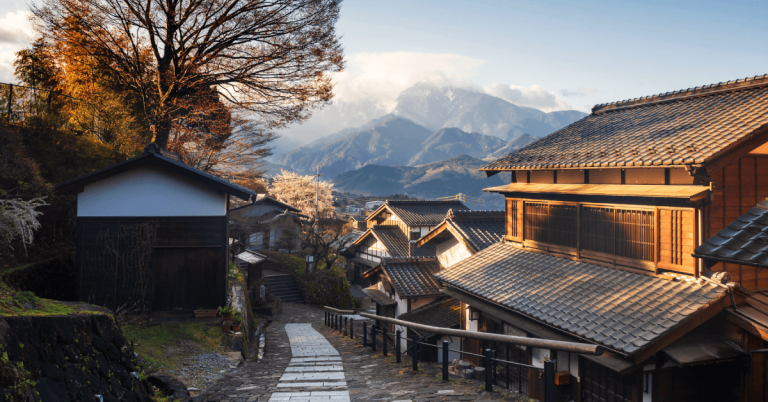
Ready to explore a lesser-known side of Japan? Discover Nakatsugawa, a hidden gem in Gifu Prefecture.
Step back in time in this town, home to well-preserved 17th-century post towns. Experience rich culture, relaxing onsens, scenic trekking, and local cuisine unique to the region.
Nakatsugawa offers more than a quiet countryside escape. It provides easy access to history, nature, and authentic Japanese experiences.
In this guide, explore curated highlights, travel tips, and a Nakatsugawa itinerary to help you plan your next Japan trip.
| Don’t forget to protect your trip as you make travel plans. Did you know? Tiq Travel Insurance provides flight check-in reminder(s) as well as an automated flight delay benefit so you’ll get paid upon a 3-hour flight delay, even without submitting a claim! |
Why visit Nakatsugawa?
You may find limited English content about Nakatsugawa, one of Japan’s best-kept travel secrets. This may make you question if it is worth visiting.
However, Nakatsugawa is well-known among locals and domestic travellers. It offers authentic experiences beyond Japan’s typical tourist hotspots.
Nakatsugawa: How to get there?
Nakatsugawa sits in central Japan, roughly between Tokyo and Kyoto along the JR Line. Despite its quiet, small-town charm, you can reach it easily from major cities.
From Nagoya (most convenient route)
Nagoya offers the fastest access to Nakatsugawa. You can drive from Nagoya to Nakatsugawa in about 80 minutes. You can also take a direct JR train, which takes around 50-70 minutes.
Direct flights from Singapore to Nagoya make this route especially convenient. This is why our 3D2N Nakatsugawa itinerary starts off from Nagoya.
From Tokyo, Osaka, or Kyoto
You can travel to Nakatsugawa from Tokyo, Osaka, or Kyoto by train, bus, or car within a few hours.
Take the JR Chuo Line from Tokyo, or connect via Nagoya if you travel from Osaka or Kyoto. These routes allow you to combine city travel with a countryside escape.
Why use Nakatsugawa as a base?
Nakatsugawa also sits close to several popular sightseeing spots. You can drive to the UNESCO world heritage site, Shirakawa-go, in a few hours. You can also visit Gero Onsen, one of Japan’s most famous hot spring towns.
Because of its location, Nakatsugawa works well as a base for exploring central Japan. You get easy access to major cities while enjoying a quieter, more scenic stay.
Nakasendo Trail
 Credits
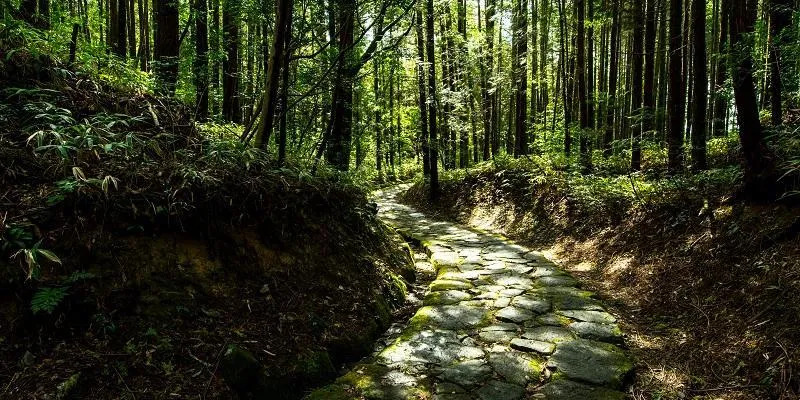
Nakatsugawa is part of the Nakasendo Trail – a historic mountain route linking Edo (now Tokyo) and Kyoto during the Edo Period (1603-1867).
In the past, samurai, merchants, and travellers walked over 530km along this route. The journey often took several days.
Along the way, “post towns” called juku provided food and accommodation for travellers. Many of these historic towns still exist today.
Today, the Nakasendo Trail remains one of Japan’s most popular walking routes. Some of its best-preserved townscapes are located in Nakatsugawa.
You can start your Nakasendo Trail journey from JR Nakatsugawa Station. This route offers easy access to traditional towns and scenic nature without starting from Tokyo or Kyoto.
- Nakatsugawa-juku~Ochiai-juku-4km / 1h30min
- Ochiai-juku~Magome-juku-4.5km / 1h30min
- Magome-juku~Tsumago-juku-7.3km / 2h30min~4h
Must-Visit: Historic Post-Town of Magome-juku
 Credits
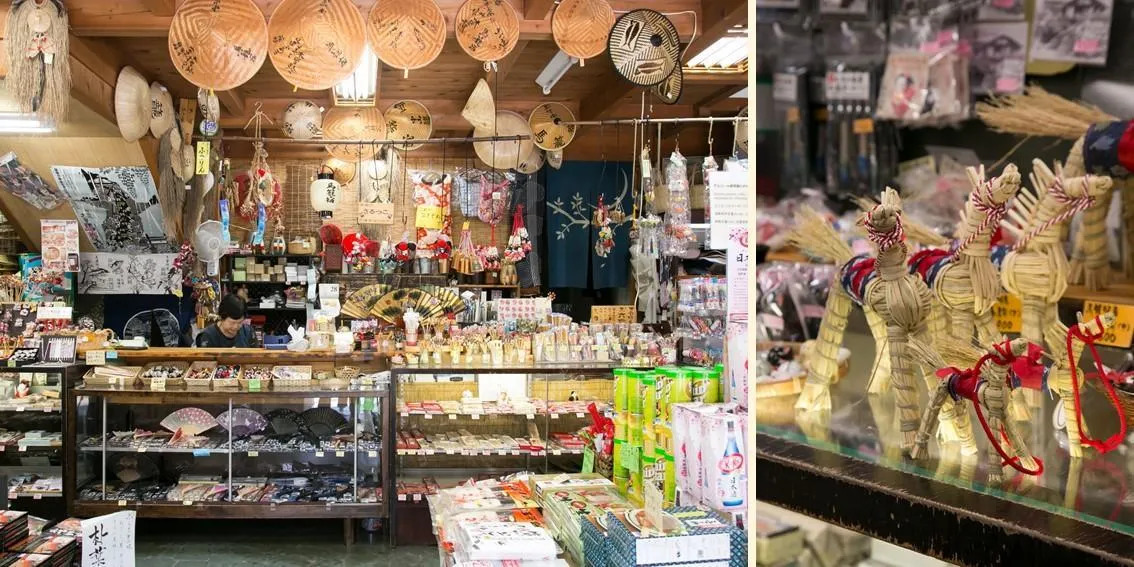
Those of you who enjoy period dramas would most likely fall in love with Magome-juku, the 43rd post town along the Nakasendo trail. Here, you will find cobblestone streets lined with vintage lattice-windowed houses, museums, tea houses and souvenir shops on both sides.
This historic post town has retained its look from the Edo period from hundreds of years ago, as well as the amazing mountain views from the lookout. You can easily visit Magome-juku by car or via a coach tour.
Famous Tsumago-Magome Hike
 Credits
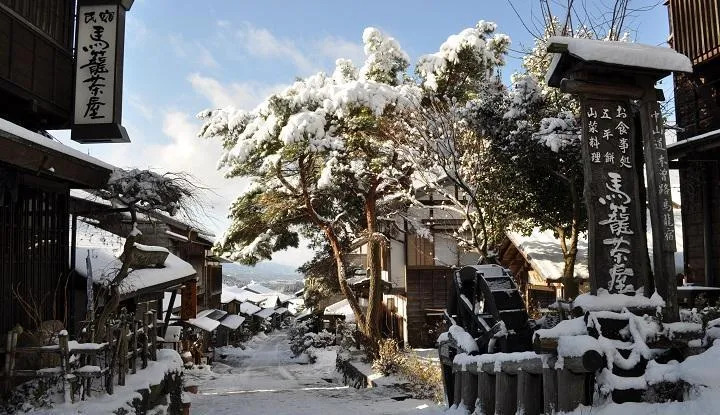
Alternatively, the Tsumago-Magome Hike, which takes about 2.5 hours to 4 hours, connects one between the 42nd and 43rd post towns. This could be a self-guided trek or you can join a tour experience. There’s even a Snow Hike experience if you plan to visit during the winter season.
As you work your muscles through the scenic countryside, you will pass through small villages, shrines, waterfalls, bamboo groves, terraced rice paddies, and a forest path with large, rough stones laid in the early 1600s. Here’s a map for you to learn more.
Hoba-Sushi Making Experience
Food lovers can enjoy a hands-on cultural experience by making Hoba-sushi in Ochiai-juku, the 44th post town along the Nakasendo Trail. Locals traditionally prepared hoba-sushi as a convenient packed meal for farmers. This regional specialty features sushi wrapped in magnolia leaves and is unique to Gifu Prefecture.
You can learn how to make hoba-sushi in about one hour at Echizenya. Local women guide you through the process and share traditional techniques. The experience costs around JPY3,000 per person (minimum two to three participants), or about SGD30.
Take care when handling and consuming raw fish during your trip. Foodborne illnesses can disrupt your plans, especially overseas. Travel insurance with overseas medical coverage and 24-hour emergency worldwide support can help protect you while you explore.
Ji-Kabuki in Nakatsugawa: Local Kabuki Experience
 Credits
Ji-Kabuki, often called “local Kabuki”, is a traditional Japanese performing art staged in rural towns across Japan. Communities typically present these performances during festivals. Amateur actors, musicians, and stagehands work together to bring regional stories and legends to life.
In Nakatsugawa, six Ji-Kabuki preservation groups stage performances each year. If your timing aligns, you may catch a live show. The experience is similar to a traditional wayang performance, presented in a distinctly Japanese style.
You can also join a guided tour to visit historic theatres such as Meijiza and Tokiwaza. These tours often included backstage access, where you can learn about stage props and performance techniques. Meijiza, built in 1874, sits in a scenic setting surrounded by rice fields. A visit here offers a rare glimpse into a UNESCO-recognised Intangible Cultural Heritage.
Unique Cultural Experiences in Nakatsugawa
Nakatsugawa offers a range of immersive cultural experiences beyond sightseeing. You can join hands-on calligraphy sessions and learn to write your name in Kanji under the guidance of a Buddhist monk. At Loji temple, you can take part in traditional tea-making and experience Zen meditation in a serene setting.
These activities take place in historic temples that supported education during the Edo period, some dating back 150 to 450 years. If you want a deeper cultural experience, consider the Ochiai Three Temples Programme, which combines calligraphy, tea-making, and meditation into one guided journey.
Explore Nearby Epic Natural Landscapes
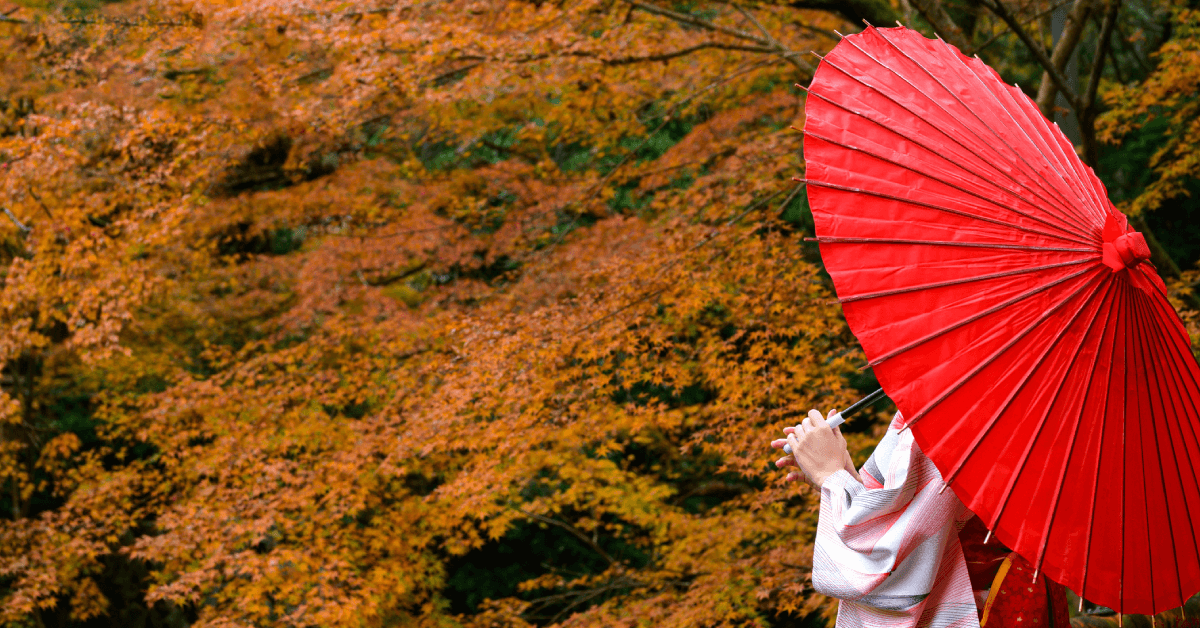
Natural beauty and historic charm abound in the Nakatsugawa region, which harbours much of Japan’s hidden gems. For those who want to explore further, don’t miss Mount Etna that promises stunning views for adventurous hikers. In the central region, the Tsukechi Gorge offers a tranquil escape into nature, with lush forests and waterfalls waiting to be explored. Yes, you can swim in crystal-clear waters here.
If you are planning to visit during autumn, don’t miss Yumori Valley, which is known for their vibrant foliage. History buffs can also consider the Naegi Castle Ruins – a fascinating relic from Japan’s feudal era – constructed 400 years ago and once home to the prominent Toyama Family.
To get around, you may want to join a coach tour or consider the public buses. For those who prefer the convenience of self-drive, don’t forget to get travel insurance that offers rental car excess cover.
3D2N Nakatsugawa Itinerary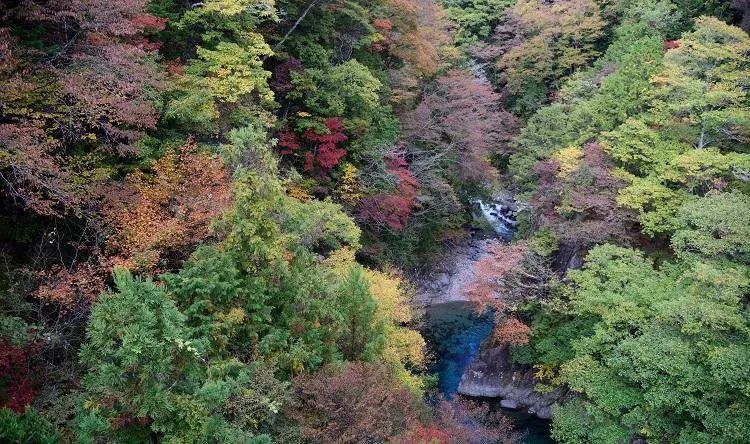 Credits
Taking into consideration that Singaporeans are often time-strapped, here’s a customised Nakatsugawa itinerary that can help you save both time and money. You don’t even need to plan much because we’ve done the legwork for you! Feel free to extend your stay and travel slowly if time allows.
Day 1: Sightseeing coach tour
Embark on your journey to Nakatsugawa via a coach tour that departs from Nagoya. You will travel by car to various sightseeing spots where you will have about 1 to 1.5 hours to explore each location.
A typical coach tour would include visits to Magome-juku, Yumori Valley, Tseukechi Gorge, Kashimo Mejiza and Tokiwaza (Ji-kabuki theatres), the Naegi Castle Ruins, and some shopping of local products. Lunch is included.
You may want to stay near the JR Nakatsugawa Station or in Magome-juku, so you can explore in the evening during your free time. For more information on the coach tour, contact kankou@city.nakatsugawa.city.lg.jp.
Day 2: Personalised tour experiences
Depending on your preferences, you may want to set aside some time to explore the Nakasendo trail, which can take anywhere from 2.5 hours to a full day, depending on how far you want to go. Guided experiences are reasonably priced and may provide you with more value as you enjoy the walk with the expertise of a professional guide.
Alternatively, you can also take it easy by joining some of the abovementioned cultural experiences such as calligraphy, zen meditation or hoba-sushi making. Ochiai-juku, located between Nakatsugawa-juku and Magome-juku is a very small town with rich culture and sights. In fact, it is home to the Ochiai Stone Pavement – a designated National Historic Site in Japan.
Day 3: Backstreet walk in Nakasendo Nakatsugawa-juku
On your last day in Nakatsugawa, how about taking a backstreet walk in Nakasendo Nakatsugawa-juku? If you are worried about getting lost or too lazy to plan, just sign up for a walking tour that usually starts at the JR Nakatsugawa Station.
Under the guidance of a local guide, you shall catch a glimpse into the locals’ daily life as you navigate back alleys, past old houses and narrow streets. The highlight includes eating local food in small eateries. This would be a great experience for culture lovers who are seeking authentic local experiences. After the short 3-hour tour, you can easily depart for Nagoya or other major cities that are on your itinerary.
Is Nakatsugawa worth visiting?
Absolutely! For those who are looking to get away from the hustle and bustle of city life, Nakatsugawa has much to offer, be it to relax in nature or to embark on an adventure trek. Its proximity and accessibility to major cities and airports also make it a perfect choice for Singaporeans who are looking to explore the real hidden gems of Japan.
Sometimes, we may hesitate to go beyond our comfort zones due to various concerns such as language barriers, accessibility and costs. While English is not a widely spoken language in Japan, especially beyond its capital city, there’s always Google Translate or a translator’s app that you can install before your trip.
As for accessibility and costs, Nakatsugawa is pretty well-connected as mentioned above. To save on your trip, consider joining a coach tour or local experience (the more people, the more you save) that could be cheaper than if you do it free and easy.
Last but not least, having the right travel insurance will ensure you to travel at ease, and cover you for unexpected expenses in case things don’t go as planned. F.Y.I. Tiq Travel insurance covers you for up to 60 days before your trip. Once you’ve confirmed your travel plans, you should get travel insurance to protect yourself from unforeseen circumstances such as trip cancellation and deposit loss.
Tiq Travel Insurance also offers a COVID-19 add-on to ensure you are well protected as you’re enjoying yourself. You have fun, we’ve got your back. Find out more about Tiq Travel Insurance here.
[End]
Information is accurate as at 17 April 2023.
This article was updated on 6 May 2026.
This policy is underwritten by Etiqa Insurance Pte. Ltd. (Company Reg. No. 201331905K). Protected up to specified limits by SDIC.
Tiq by Etiqa Insurance Pte. Ltd.
A digital insurance channel that embraces changes to provide simple and convenient protection, Tiq’s mission is to make insurance transparent and accessible, inspiring you today to be prepared for life’s surprises and inevitabilities, while empowering you to “Live Unlimited” and take control of your tomorrow.
With a shared vision to change the paradigm of insurance and reshape customer experience, Etiqa created the strong foundation for Tiq. Because life never stops changing, Etiqa never stops progressing. A licensed life and general insurance company registered in the Republic of Singapore and regulated by the Monetary Authority of Singapore, Etiqa is governed by the Insurance Act and has been providing insurance solutions since 1961. It is 69% owned by Maybank, Southeast Asia’s fourth largest banking group, with more than 22 million customers in 20 countries; and 31% owned by Ageas, an international insurance group with 33 million customers across 16 countries.
Discover the full range of Tiq online insurance plans here.